In analytical chemistry and laboratory work, every component of an experiment or analysis plays a critical role in achieving accurate and reliable results. One such component is the vial cap, specifically those used in high-performance liquid chromatography (HPLC). The technique requires precision and reliability at every step. HPLC vial caps are a key factor in maintaining sample integrity and ensuring the success of the analysis. Manufacturers such as Integrated Liner Technologies (ILT) support these workflows with closure components engineered for demanding laboratory environments.

HPLC Vial Caps Explained
May 1, 2026
Why HPLC Requires Specially Designed Vial Caps
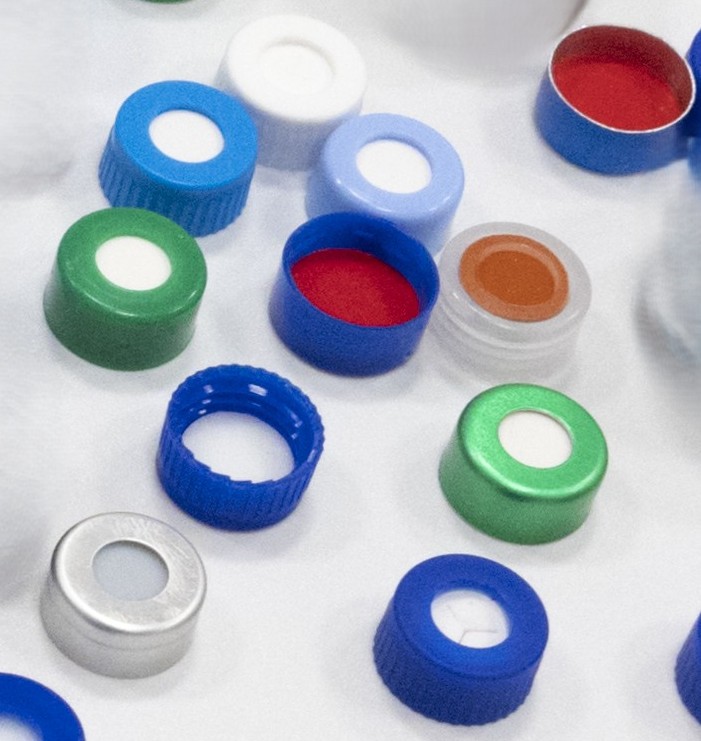
HPLC is a sophisticated analytical technique that involves precise separation and detection of compounds. For the process to yield accurate results, every component must be optimized. HPLC vial caps are designed to meet these demands, offering robust seals that ensure sample integrity under high pressures, temperatures, and solvent exposure. These caps also need to be compatible with HPLC instruments, facilitating smooth and consistent sample injection. Without the right cap, even the most precise instruments can produce unreliable data, making specially designed vial caps a crucial component in HPLC workflows. ILT manufactures vial closures used by laboratories that depend on repeatable performance and clean sample handling.
Types of HPLC Vial Caps
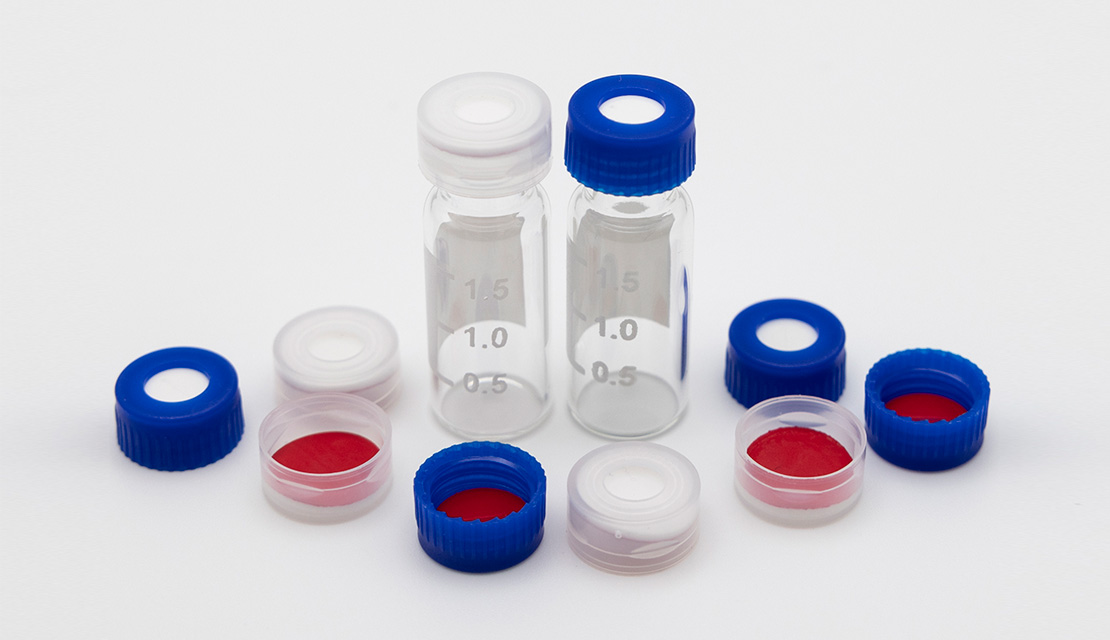
HPLC vial caps come in three main types, with thread closures suited to different needs and applications within chromatography workflows:
Screw Caps: These threaded closures provide a secure and adjustable seal. Ideal for applications that require a reliable seal and ease of use, screw caps often come with pre-slit septa for easy needle penetration during sample injection.
Crimp Caps: Crimp caps are tightly sealed using a crimping tool. They are typically used for volatile samples or when contamination prevention is critical. Crimping ensures a strong seal that won’t loosen under pressure.
Snap-On Caps: Easier to handle than screw and crimp caps, snap-on caps provide a quick closure method. While not as secure as screw or crimp caps, they are ideal for applications where a tight seal is not as critical.
How HPLC Vial Caps Maintain Sample Purity and Prevent Contamination
Sample purity is vital in HPLC, as any contamination can compromise the results. HPLC vial caps contribute to maintaining sample purity in several ways:
Tight Seals: Whether screw, crimp, or snap-on, the caps form airtight seals that prevent evaporation or leakage of volatile components. This ensures that samples remain intact and uncontaminated during storage and analysis.
Chemical Resistance: Caps made from materials like PTFE and silicone ensure that chemicals from the cap do not leach into the sample, which could alter its composition. This is particularly important for sensitive compounds that could be affected by minute changes in their chemical environment.
Prevention of Cross-Contamination: High-quality caps minimize the risk of cross-contamination between samples, especially when using pre-slit septa. This ensures that one sample doesn’t contaminate another, keeping results accurate and reliable.
Each cap type can be paired with different septum materials depending on the sample type and the demands of the analysis.
Choosing the Right HPLC Cap for Analytical Testing
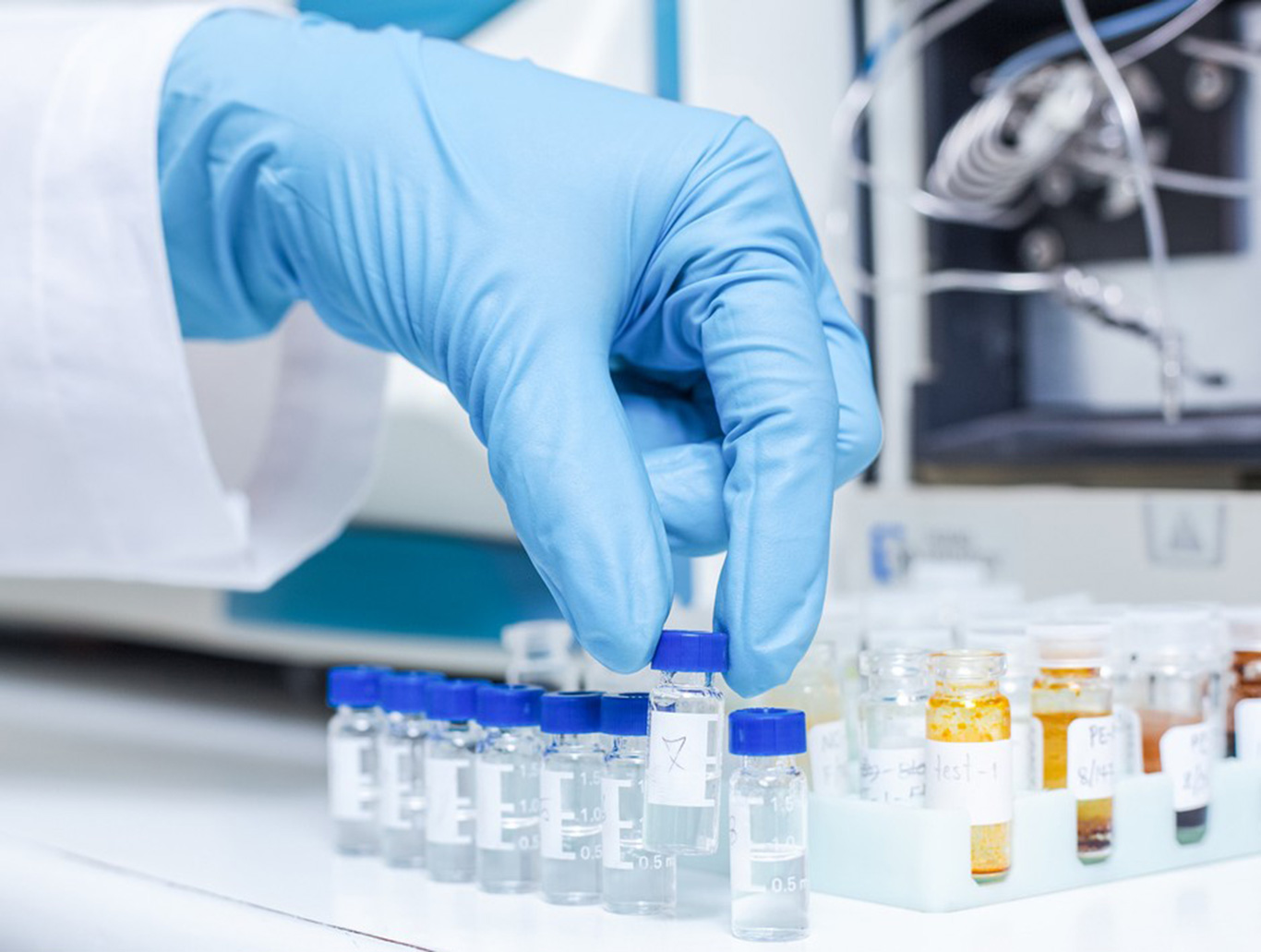
Selecting the appropriate HPLC vial cap is essential for obtaining reliable and accurate results. Here are a few factors to consider when choosing a cap:
Sample Type: Different samples require different types of closures. Volatile samples may need screw caps to ensure a tight seal, while other less sensitive samples may do fine with snap-on caps.
Instrument Compatibility: The vial caps must work seamlessly with the specific HPLC instrument being used, especially in terms of needle penetration and the ability to withstand system pressures.
Analysis Requirements: For applications requiring maximum sample integrity a PTFE-lined screw or crimp cap is critical. For less demanding applications, a snap-on cap may be sufficient.
Working with an experienced supplier such as ILT can help laboratories match cap style and liner material to their specific analytical needs.
HPLC Vial Cap Liners: PTFE/Silicone, Butyl, and Natural Rubber
The liner material used in an HPLC vial cap plays a key role in its performance. Here’s how common liner materials compare:
PTFE/silicone: PTFE/silicone liners provide a balance of chemical resistance and flexibility, ensuring secure, airtight seals for various applications. Their design protects samples from contamination, even when exposed to aggressive solvents or chemicals, while maintaining durability and adaptability. These liners are ideal for preserving sample integrity across a range of storage and analysis conditions.
Butyl: Butyl liners offer excellent gas impermeability, making them a good choice for applications where minimizing gas exchange is crucial. Butyl can also be layered with PTFE to get the benefit of chemical resistance with the low-permeability features of butyl.
Natural Rubber: Natural rubber lined caps have been a long-standing choice for HPLC vial closures. They have been slowly replaced by newer materials, like silicone/PTFE.
Each liner material serves a specific purpose, and choosing the right one depends on the chemical properties of the sample and the requirements of the analysis.
Common Challenges in Using HPLC Caps and How to Overcome Them
While HPLC vial caps are essential to the analytical process, there are a few challenges to consider:
Leakage: Poorly fitted or damaged caps can lead to leakage, which can compromise sample integrity. To prevent this, ensure that caps are properly fitted, and inspect them for wear or damage before use.
Septum Damage: Over-tightening screw caps or improper needle insertion can damage the septum, affecting its ability to provide a secure seal. Avoid over-tightening and use proper handling techniques when inserting the needle.
Contamination: Using caps with incompatible materials for certain solvents can lead to contamination. Always select caps and liners made from materials that are chemically compatible with your sample. See ILT’s chemical compatibility chart here.
Follow best practices and regularly inspect caps and septa to mitigate these common challenges.
ILT’s Recommended Best Practices for Storing and Handling HPLC Vial Caps
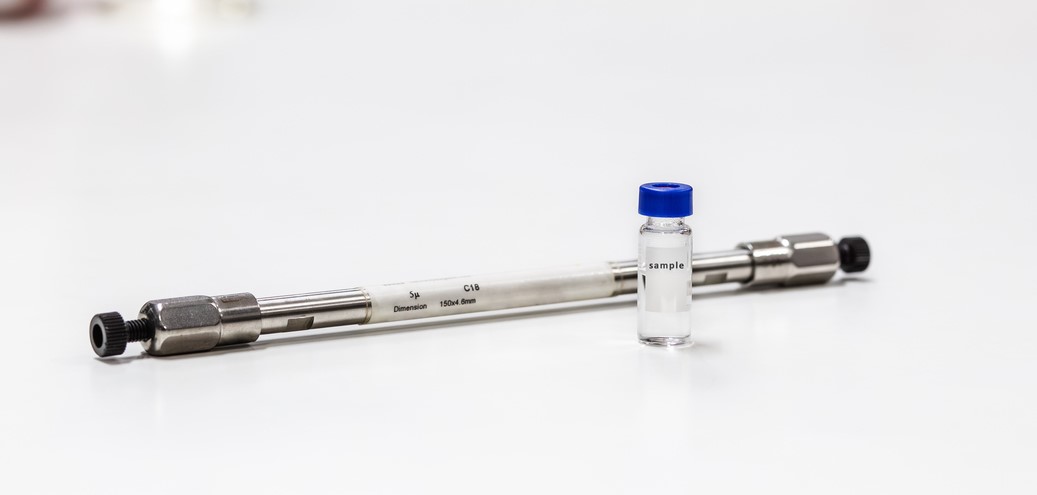
Proper storage and handling of HPLC vial caps are key to maintaining their performance:
1. Store Caps in a Clean, Dry Environment:
Caps should be stored in a contamination-free environment to prevent exposure to dirt, moisture, or chemicals that could affect their integrity.
2. Inspect Caps Before Use:
Always check caps and septa for any visible defects, such as cracks or tears, before use. Damaged caps should be discarded to prevent sample contamination.
3. Handle with Care:
When handling caps and septa, avoid touching the liner material with bare hands to prevent contamination from oils and residues. Use gloves to maintain cleanliness.
You can extend the lifespan of your HPLC vial caps and maintain the reliability of your analytical results with strict adherence to these guidelines.
Explore HPLC Vial Caps from ILT
ILT is a U.S.-based manufacturer of caps, septa, and specialty closure components serving laboratories and regulated industries worldwide. Explore ILT’s full product catalog to find HPLC vial caps and related components built for reliable laboratory performance.