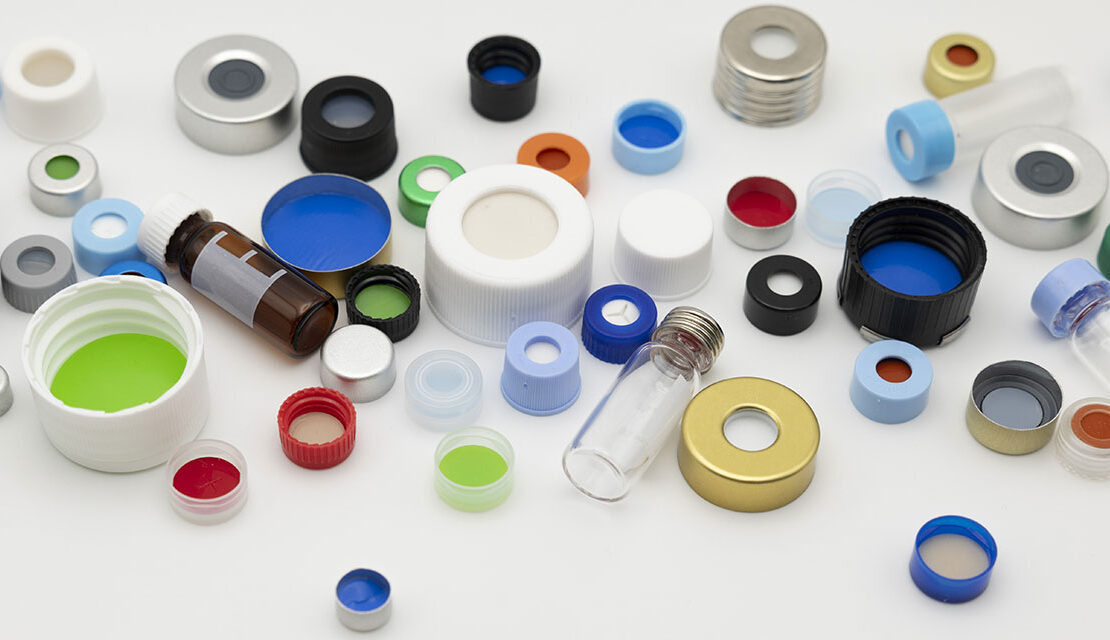
Choosing the right cap liner helps protect sample integrity, maintain a reliable seal, and ensure compatibility with stored contents. The best option depends on factors such as chemical resistance, storage conditions, and the level of protection required. Below, we answer common questions about cap liner materials, performance, and selection for laboratory applications.

Frequently Asked Questions About Cap Liner Selection
October 30, 2026
What are the best cap liner materials for chemical resistance?
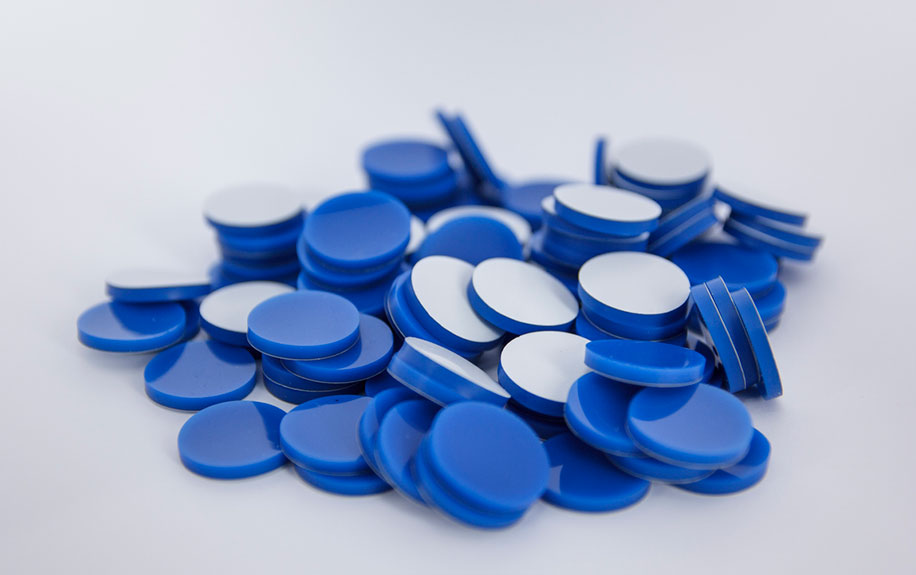
PTFE is a common choice for applications requiring broad chemical resistance, including exposure to many solvents, acids, and bases. Polyethylene (PE), polypropylene (PP), and elastomeric materials may also be suitable, depending on the chemicals involved and the liner’s intended use.
No single material resists every chemical under all conditions. The best option depends on the specific chemical and its concentration, as well as the liner’s performance requirements.
How do I choose a cap liner for chemical compatibility?
Start by identifying the chemical composition and concentration of the sample, then consider storage temperature, contact time, and whether the container will be exposed to pressure or other environmental conditions. The liner material should remain stable and avoid reacting with, absorbing, or releasing substances into the sample.
Consult compatibility data for the specific chemical and liner material, and consider testing under representative storage conditions when sample integrity is critical.
Learn more about choosing a cap liner manufacturer.
What types of cap liners are available for chemical storage in laboratories?
Common cap liner materials include PTFE, polyethylene (PE), polypropylene (PP), and various elastomers, such as silicone. Liners are also available in laminated and composite constructions that combine materials to achieve specific performance characteristics.
These options serve different purposes, from chemical resistance and cushioning to sealing and barrier protection. Material and construction should be selected according to the requirements of the application.
Browse ILT’s full product catalog.
How do I choose a leak-proof cap liner for volatile organic compounds?
When storing volatile organic compounds (VOCs), choose a liner that resists the solvent and supports a tight, consistent seal. PTFE-based liners are often considered for solvent applications because of their chemical resistance.
Leak prevention also depends on the cap and container design, liner fit, and proper closure torque. The complete closure system should be suitable for the specific VOC and storage conditions to help minimize leakage and evaporation.
What type of cap liner provides tamper evidence?
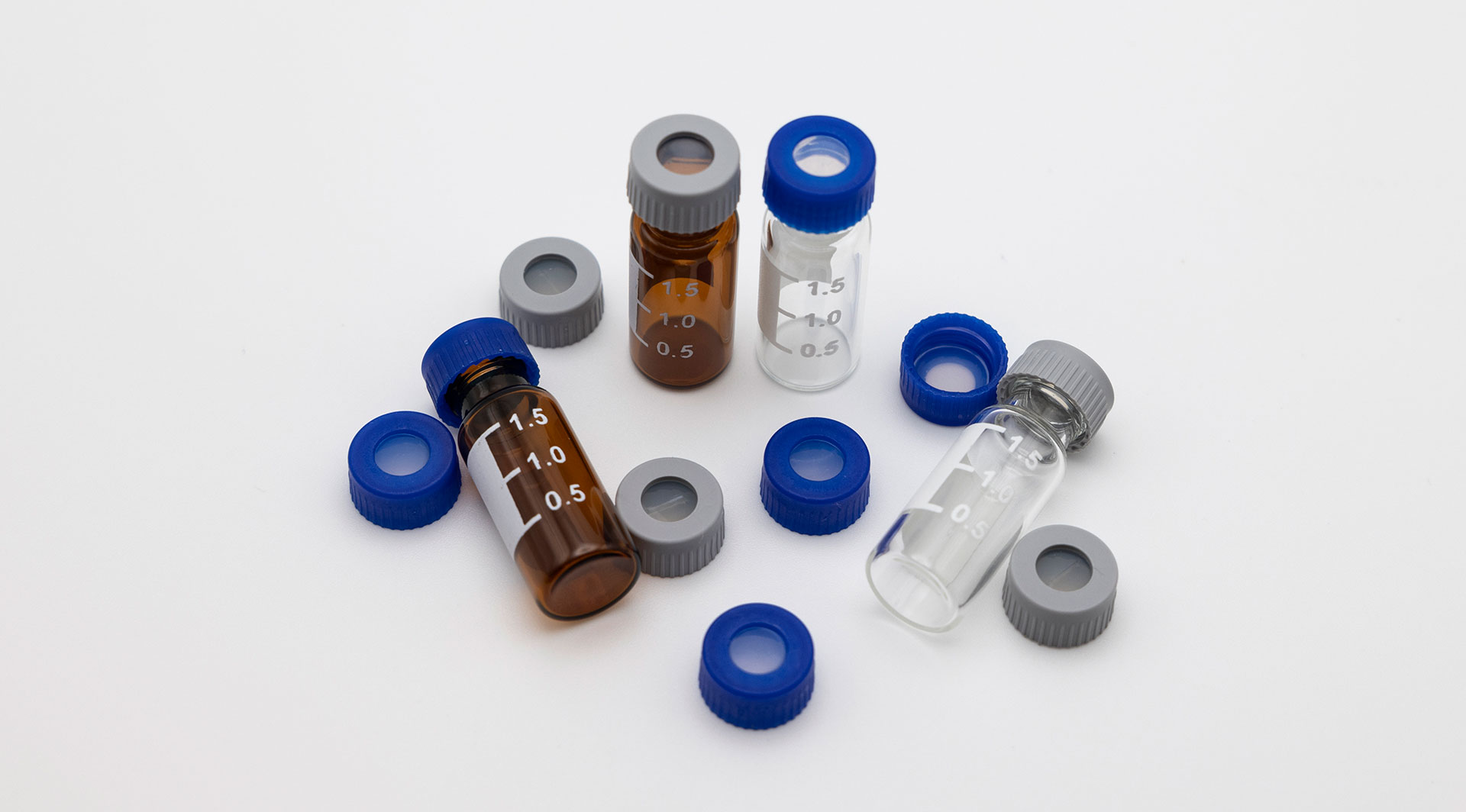
Tamper-evident options include induction-sealed liners and certain pressure-sensitive liners that show visible evidence when a container has been opened. The appropriate option depends on the container material, closure design, and intended application.
Choose a liner or closure specifically designed for tamper evidence, and verify that it is compatible with the container and sealing process.
Learn more about vial caps and their uses to explore different closure options.
What cap liner provides moisture or oxygen protection?
Foil-based and multilayer barrier liners can help limit moisture or oxygen transmission when designed for the intended application. Their effectiveness depends on the materials used, the integrity of the seal, and the performance of the complete container closure system.
For moisture- or oxygen-sensitive samples, check the barrier specifications and suitability of the closure system for the required level of protection and storage duration.
Explore ILT Pharma-Fix and Pharma-Fix II septa for more information about liner options for moisture or oxygen protection.
How does temperature affect cap liner selection?
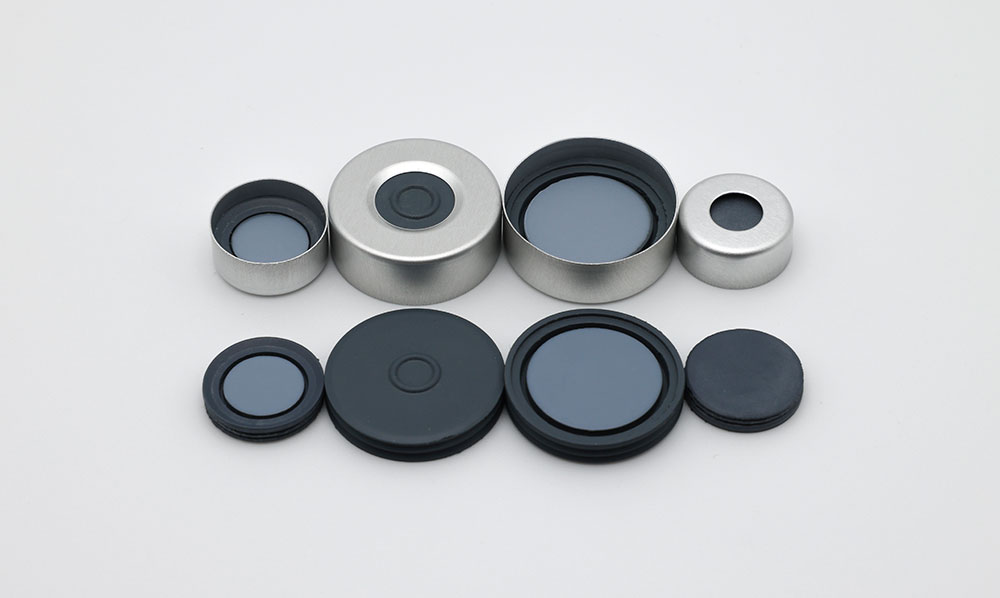
Temperature can change a liner’s flexibility, dimensional stability, and sealing performance. Some materials may soften at elevated temperatures or become less flexible in cold conditions, potentially affecting the seal.
Check the liner’s recommended operating temperature range against the expected conditions during filling, storage, transport, and use. Confirm that the material maintains its required performance at those temperatures.
Read ILT’s temperature and durometer guide for additional information about material performance across temperature ranges.