Office: 518-432-0617
Sales Hours no sales hours
Address 45 Discovery Drive, Rensselaer, NY 12144
Fax: 518-432-9146
Sales Hours no sales hours
Address 45 Discovery Drive, Rensselaer, NY 12144
HomeBlogsILT’s 2mL Autosampler Cap and Vial Kits for Chromatography Workflows
ilt01.02-2-v1

Chromatography workflows depend on controlled conditions during sample preparation and injection. While instrument performance is often the focus of method optimization, variability can also be introduced earlier in the process, particularly in how samples are contained, sealed, and handled before analysis.

Autosampler vial caps are one part of that system. They work alongside vials to maintain sample integrity from preparation through injection. When these components are sourced or assembled separately, differences in materials, fit, or handling can introduce variation that is difficult to isolate during troubleshooting.

How Sample Containment Components Affect Analytical Consistency

In chromatography, samples are typically prepared, sealed, and stored before being placed into an autosampler tray. During this interval, the vial, cap, and septum must maintain a consistent seal and prevent interaction between the sample and the external environment.

Variation in this part of the workflow can be linked to several factors:

  • Differences in cap fit or thread engagement across suppliers
  • Septa material selection that does not align with chemical exposure requirements
  • Manual assembly differences between technicians or shifts
  • Mixed inventories of vials and closures that are not standardized across batches

These conditions do not always produce immediate failure. More often, they appear as inconsistencies in results that require additional review or repeat testing.

The Role of Autosampler Vial Caps in System Integrity

The cap and septum assembly is responsible for maintaining closure integrity during storage and injection. In autosampler systems, this includes maintaining a consistent seal under mechanical puncture from sampling needles as well as preserving sample stability during handling and storage.

When this seal is inconsistent or compromised, autosampler vial caps and vial systems can also contribute to elevated risk of sample contamination during storage and transfer prior to analysis.

Key functional considerations include:

  • Seal consistency under repeated septum puncture
  • Material compatibility with stored analytes and solvents
  • Mechanical fit between vial finish and cap design
  • Stability of closure integrity across temperature and handling conditions

Because these factors depend on the interaction between multiple components, compatibility across vial, cap, and septum is a primary requirement for consistent performance.

Why Matching Vials, Caps, and Septa Matters

Pre-matched kits are designed to reduce variation introduced during assembly and sourcing. Instead of selecting vials and caps separately, components are provided as a defined set with intended compatibility across materials and dimensions.

This approach reduces variability introduced by:

  • Component substitution across procurement cycles
  • Differences in supplier specifications for nominally similar parts
  • Inconsistent assembly practices during laboratory preparation
  • Untracked mixing of closure types within shared inventories

It also supports streamlined inventory management by reducing the number of separate vial, cap, and septa components that must be tracked, reordered, and maintained across laboratory workflows.

By controlling component pairing, the system reduces the number of variables involved in sealing performance.

ILT’s 2mL Autosampler Cap and Vial Kits

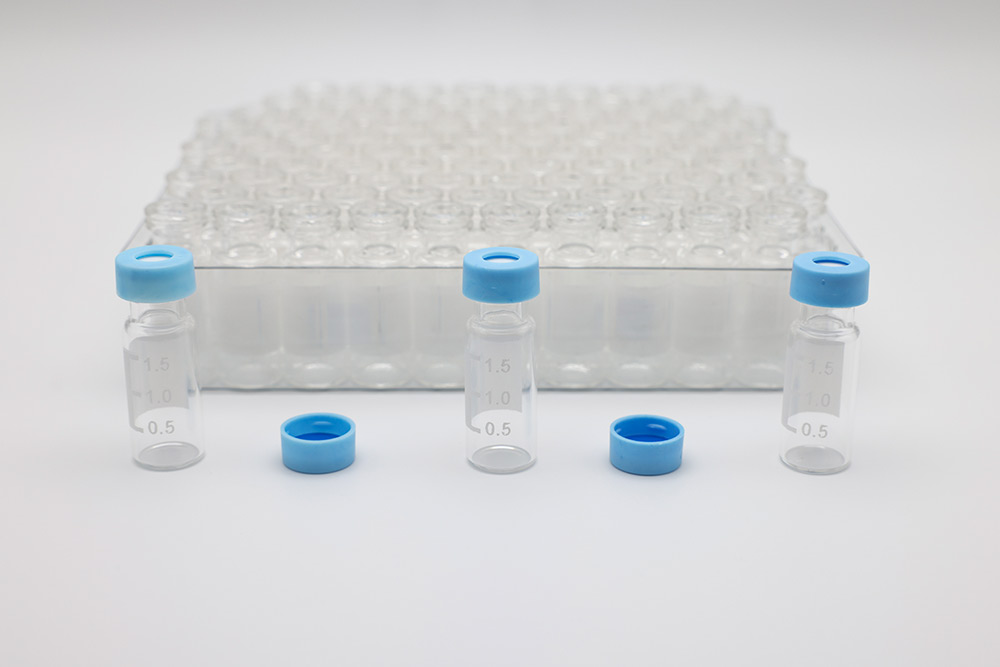
ILT 2mL Autosampler Cap and Vial Kits are designed to provide vials and closures as matched sets for chromatography workflows. Each kit contains 100 vials and 100 caps packaged separately.

The kits are available in multiple configurations to support different laboratory requirements, including screw cap, crimp cap, and snap cap formats, as well as standard and certified options.

Vial Materials and System Compatibility

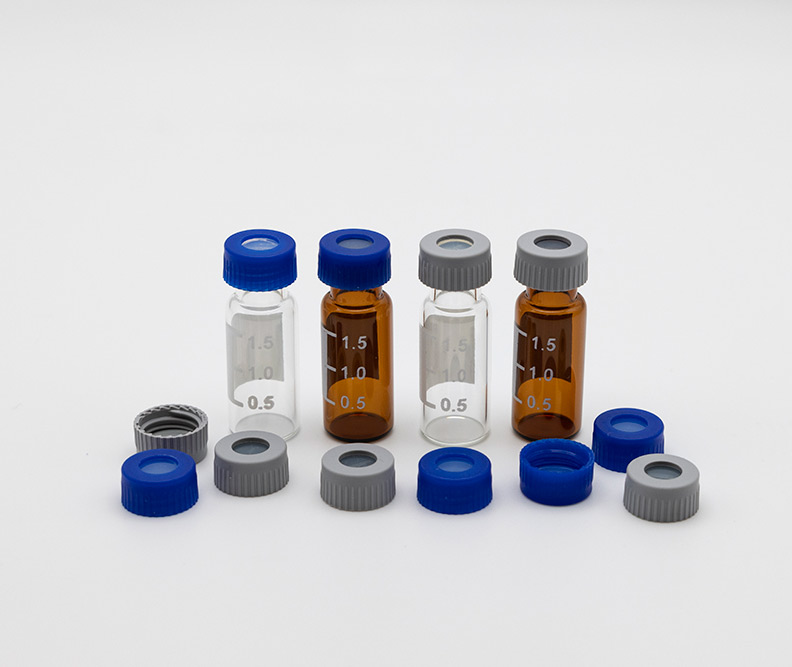
Kits are available with clear or amber borosilicate glass vials designed for standard autosampler use.

  • Clear vials: Type 33 borosilicate glass
  • Amber vials: Type 51 borosilicate glass
  • Type 1 borosilicate glass is also used in select configurations

These materials are intended to meet standard requirements for compatibility, chemical resistance, and dimensional fit within GC and LC autosampler systems.

Closure System Options

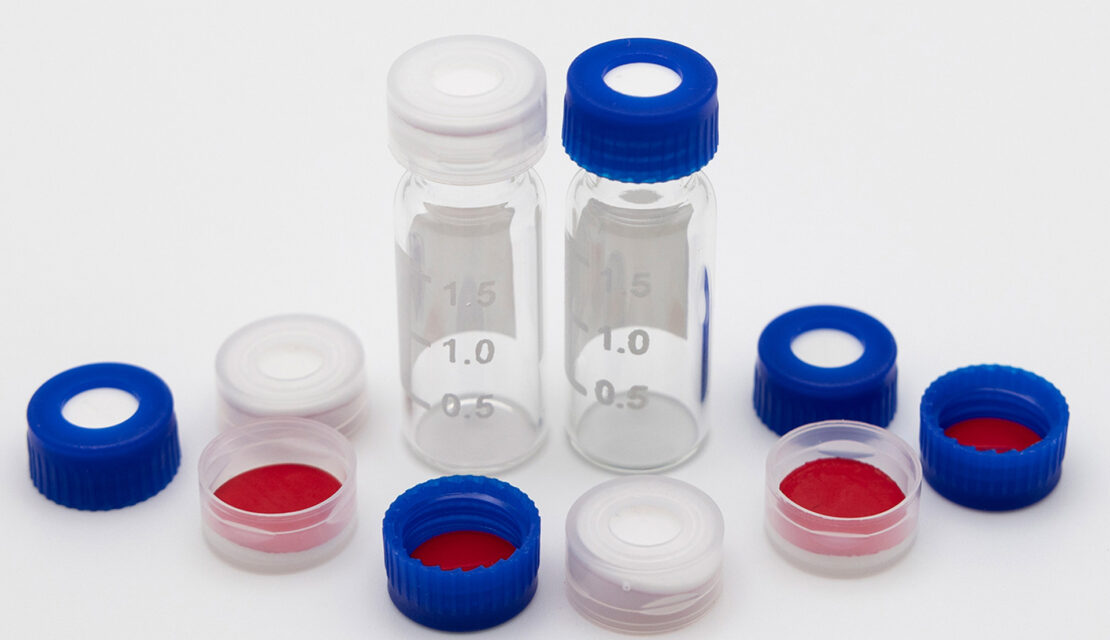
ILT kits include multiple closure types to support different instrument and workflow requirements:

  • 9mm screw caps
  • 11mm crimp caps
  • 11mm snap caps

Cap options include ILT Inter-Seal bonded liners designed to support consistent sealing performance across autosampler applications. Liner options vary by application requirements and chemical compatibility needs.

Certified Configurations

Select ILT kits are available in certified formats, including LC-Clean options with lot-specific certification. These configurations are intended to support workflows where traceability and controlled cleanliness standards are required. An MS Certified line is also available for applications with additional analytical requirements.

Standard Kit Configurations

ILT offers 2mL kit configurations aligned to common laboratory use cases, including screw cap, crimp cap, and snap cap systems with corresponding vial formats.

Each configuration is designed to align vial, cap, and liner components within a single matched system for use in standard autosampler trays in GC and LC workflows.

Selection Considerations for Autosampler Vial Caps and Kits

The best autosampler caps kits for laboratory use are typically those that maintain consistent compatibility between vial, cap, and septum components. They also support repeatable sealing performance and standardized inventory across laboratory workflows.

Common evaluation points include:

  • Alignment between vial finish and cap type
  • Septa material compatibility with solvents and analytes
  • Consistency of closure performance across batches
  • Availability of standardized configurations for repeat workflows
  • Documentation or certification requirements for regulated environments

These considerations are typically used to determine whether components should be sourced individually or as matched systems.

Sourcing Autosampler Caps and Vial Kits in the U.S.

Laboratories sourcing autosampler vial caps and septum systems in the U.S. typically prioritize suppliers that provide matched vial and closure configurations designed for chromatography workflows. This approach reduces variability introduced during procurement and supports consistency across routine sample preparation.

ILT 2mL Autosampler Cap and Vial Kits are supplied as pre-matched configurations for GC and LC applications, with multiple vial materials, cap formats, liner options, and certified variants available to support different laboratory requirements.

To learn more about autosampler cap kits in the US, including product details and purchasing information, contact ILT sales today.

Learn more about ILT, the world leader in manufacturing seals and septa.