Environmental laboratories rely on accurate sample collection and consistent analysis to produce reliable results. When contamination occurs or volatile compounds are lost before testing, the consequences can include false positives, out of specification analyses, delayed reporting, and costly resampling. Understanding the most common causes of lab sample contamination helps laboratories choose cap and closure systems that better protect sample integrity throughout collection, transport, storage, and analysis.

Office: 518-432-0617
Sales Hours no sales hours
Address 45 Discovery Drive, Rensselaer, NY 12144
Fax: 518-432-9146
Sales Hours no sales hours
Address 45 Discovery Drive, Rensselaer, NY 12144
English
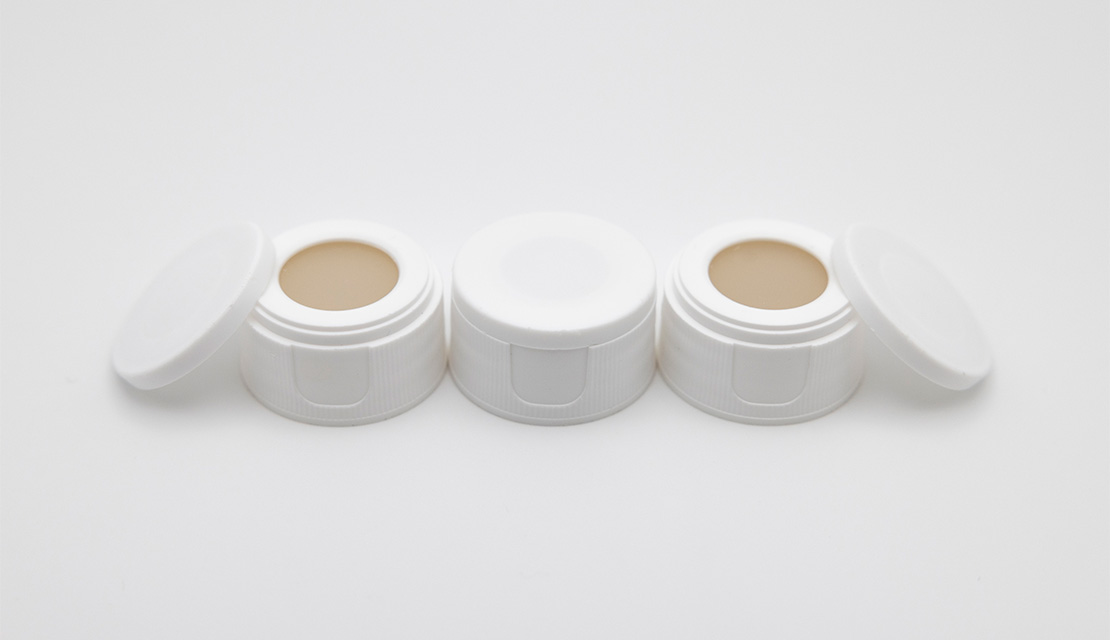
How ILT’s SURE-Clean™ 24mm Snap Caps Prevent Lab Sample Contamination
May 29, 2026
Why Are My Lab Samples Getting Contaminated?
Lab sample contamination can occur during collection, storage, transportation, or analysis. In many cases, contamination is introduced through routine handling steps that expose the sample, cap, or liner to outside conditions.
Environmental Exposure During Field Collection
Environmental sample collection often takes place in uncontrolled conditions where dust, airborne particles, moisture, oils, and
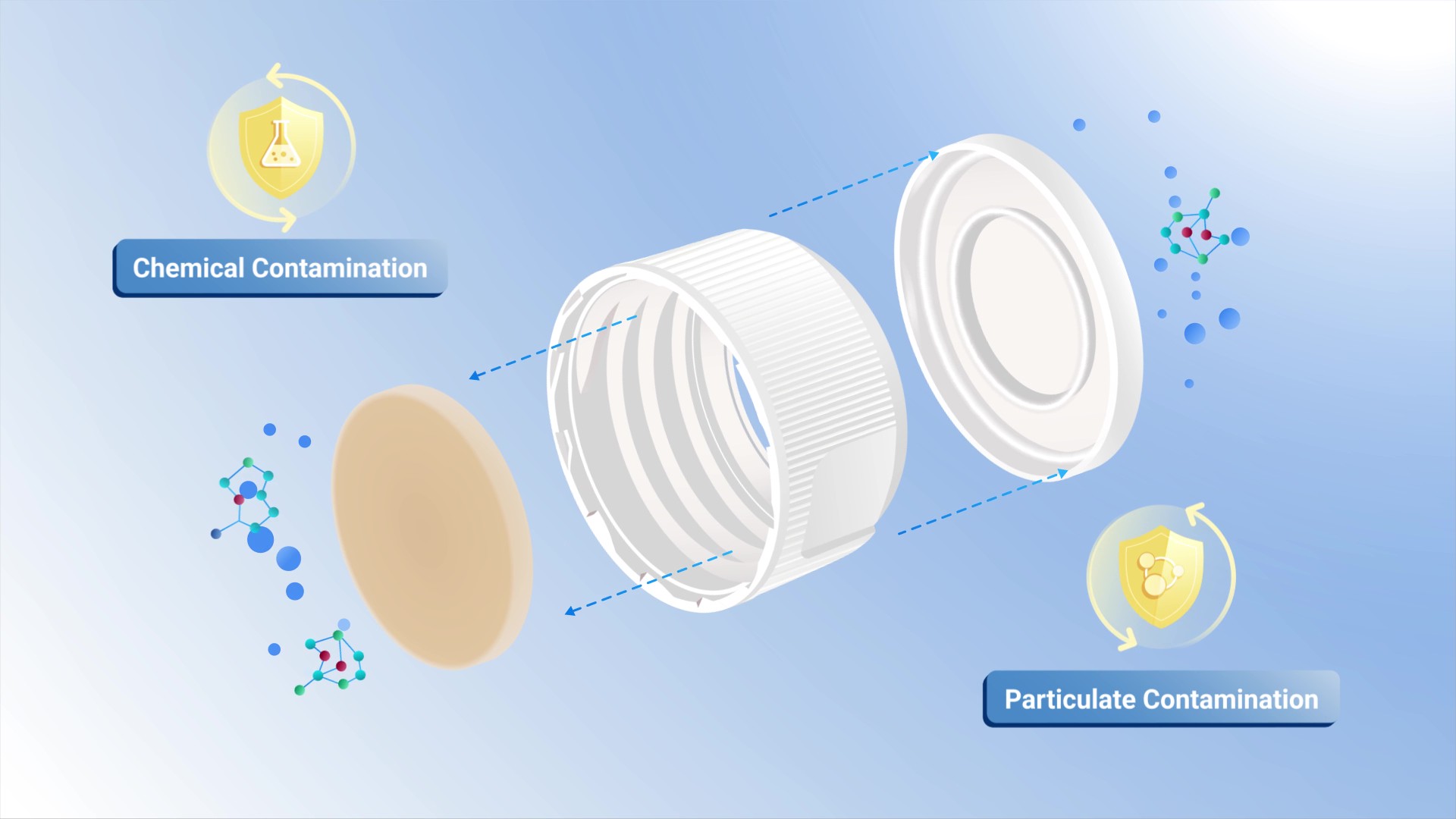
chemical residue are difficult to avoid. If vial caps or liners are exposed before sealing, contaminants can enter the sample before it reaches the lab. This is especially important during EPA VOA testing, where trace contamination can affect analytical accuracy.
Excessive Handling and Multiple Components
Traditional two-piece cap and dust cover systems create more opportunities for contamination during sample collection and preparation. Loose dust covers may be placed on work surfaces, repeatedly handled, or exposed prior to use. Each additional handling step increases the likelihood of particulate transfer or chemical contamination.
Contamination During Transport and Storage
Samples may travel long distances between collection sites and analytical laboratories. During transport and storage, vibration, movement, and inconsistent sealing conditions can affect sample quality. Improperly protected caps may allow contaminants to reach critical sealing surfaces during transit.
What Causes VOC Loss in Sample Vials?
Volatile organic compounds are highly sensitive to vapor loss and environmental exposure. VOC loss can occur if sample vials are not sealed properly or if samples are repeatedly opened before analysis.
Improper Sealing and Vapor Escape
One of the most common causes of VOC loss is an ineffective seal between the cap, liner, and vial. Even minor leaks can allow volatile compounds to evaporate during transportation or storage. When analytes escape before testing, laboratories may report inaccurate concentrations or incomplete results.
Frequent Cap Changes Between Field and Lab
Some collection workflows require samples to be transferred between multiple vials or handling stages before analysis. Each cap removal increases exposure time and creates another opportunity for VOC loss. Multiple cap changes can also create inconsistencies between technicians and collection sites.
What Causes False Positives in VOC Analysis?
False positives in VOC analysis are often linked to contamination introduced during handling, storage, or transportation rather than the original sample itself.
Cross-Contamination From Handling
Gloves, work surfaces, packaging materials, and previously handled components can all introduce trace contamination during sample preparation. Even small amounts of transferred residue may affect highly sensitive VOC testing methods and contribute to inaccurate readings.
Chemical and Particulate Exposure Before Testing
Samples may also be exposed to airborne contaminants during staging and transportation before analysis begins. Dust particles, chemical vapors, and environmental residue can settle onto exposed cap or liner surfaces. This type of exposure can compromise sample integrity and affect analytical reliability.
Best Practices for Maintaining Lab Sample Integrity From Field to Lab
Reducing contamination risks requires consistent workflows designed to minimize exposure and unnecessary handling throughout the sampling process. The goal is to reduce variability between technicians and limit opportunities for sample compromise at every stage.
Use Analysis-Ready Components
Consistency in sample integrity begins with the materials used during collection. Components designed specifically for EPA VOA environmental testing help reduce variability between sampling events and eliminate unnecessary preparation steps in the field or lab.
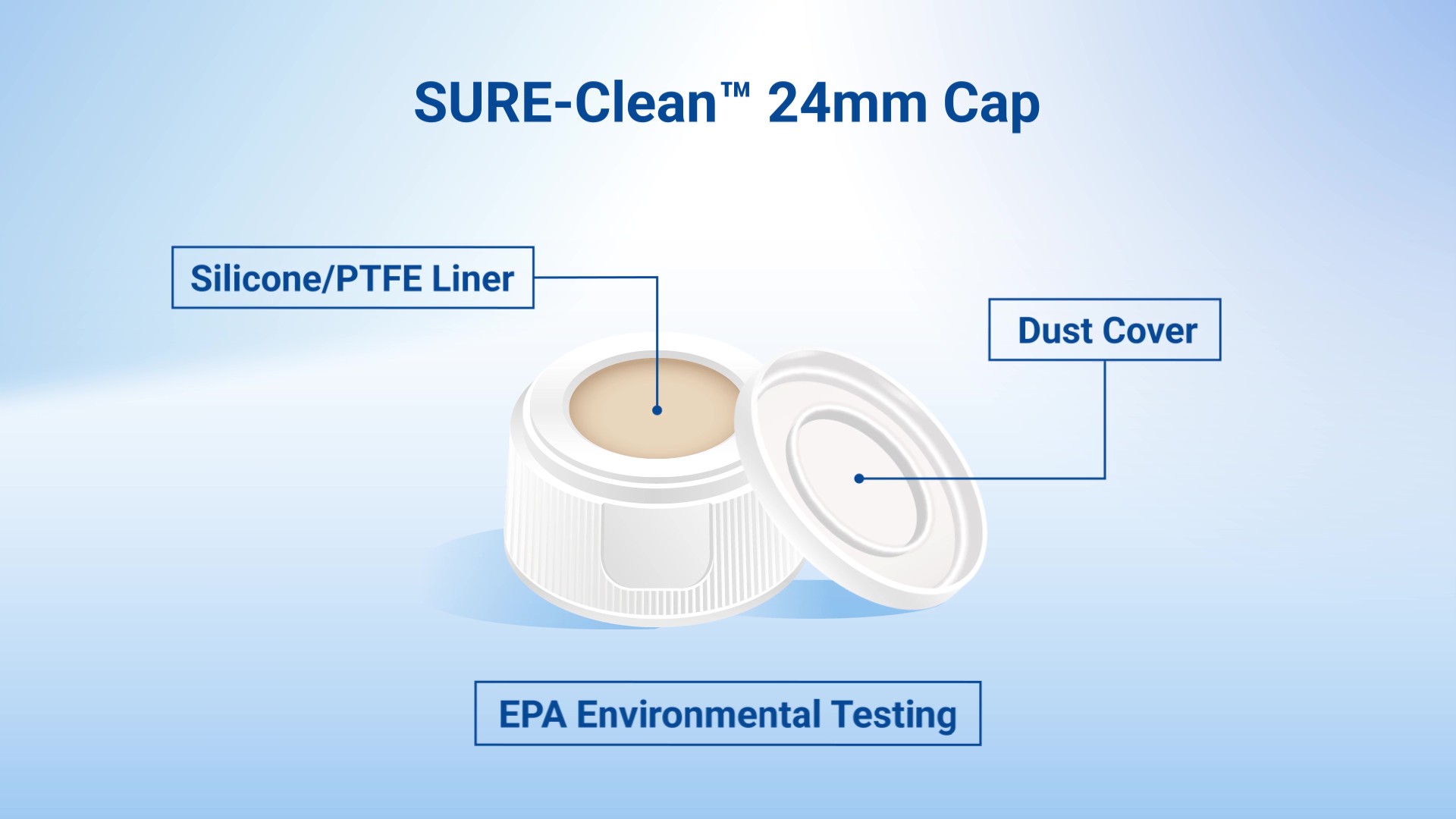
ILT’s SURE-Clean™ 24mm Snap Caps use a bonded silicone/PTFE liner conditioned to be low-bleed to meet EPA standards, helping support consistent sealing performance across collection and analysis workflows.
Maintain Seal Integrity During Transport
Once samples leave the collection site, maintaining a stable, sealed condition becomes critical. Movement, vibration, and environmental changes during transport can all affect sample stability if sealing systems are not reliable.
SURE-Clean™ caps maintain a secure configuration throughout transport with an attached protective dust cover that remains in place until analysis, helping reduce exposure during storage and movement.
Reduce Handling Contamination With Single Cap Solutions
Reducing the number of times a sample is opened, transferred, or re-capped is one of the most effective ways to limit contamination risk. Each additional handling step introduces potential exposure points and increases variability between technicians and collection sites.
Traditional multi-component cap systems add unnecessary complexity to this process. Separate dust covers and caps require additional handling, which can increase the chance of exposure, loss, or inconsistent use in the field.
ILT’s SURE-Clean™ 24mm caps simplify this workflow by combining the cap and dust cover into a single interlocking design. By reducing the number of components that must be managed during collection and transport, the system helps support more consistent handling practices and reduces opportunities for contamination.