Environmental analysis evaluates groundwater, soil, wastewater, and stormwater runoff to gauge environmental conditions and identify potential hazards to ecosystems and human health. Such assessments are instrumental in pinpointing contaminants, determining the health of ecosystems, and shaping regulatory policies. By scrutinizing factors like pollutant levels and environmental baselines, environmental analysis provides critical data that not only illuminates current environmental challenges but also aids in forecasting future trends to ensure sustainable development and public health protection.

Office: 518-432-0617
Sales Hours
no sales hours
Address
45 Discovery Drive, Rensselaer, NY 12144
Fax: 518-432-9146
Sales Hours
no sales hours
Address
45 Discovery Drive, Rensselaer, NY 12144
English
Environmental Analysis and Sampling
January 29, 2024
Environmental Sampling
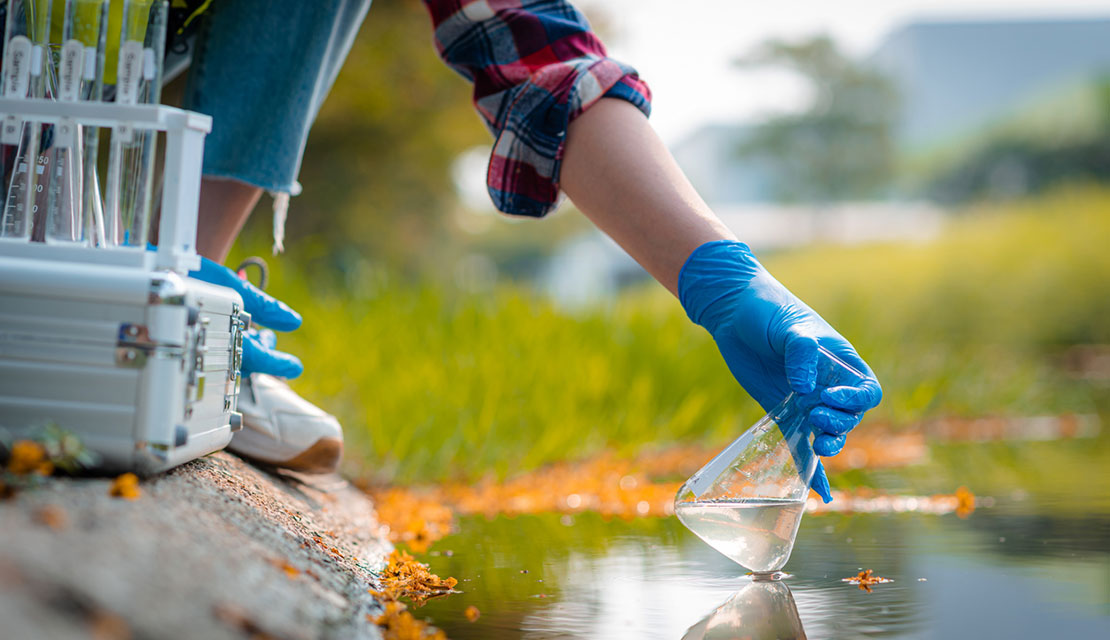
Before environmental analysis can be performed, samples must be gathered from individual sites. Samples can be small amounts of soil, water, and air—which will be taken back to the laboratory for testing. They will provide meaningful data about specific environmental conditions. For example, water sampling from a river may reveal the presence and concentration of chemical contaminants, which can be linked to industrial activities upstream. By analyzing these samples, scientists gain insights into the environmental impact of various factors, enabling the formulation of effective environmental policies and remediation strategies. This systematic approach is essential in environmental science, playing a key role in conserving natural resources and protecting both ecosystem and public health.
Environmental Sample Collection
The way samples are collected for environmental analysis vary depending on what the sample is and what type of data scientists want to gather from it. Some factors that affect the sampling process are:
Type of Sample
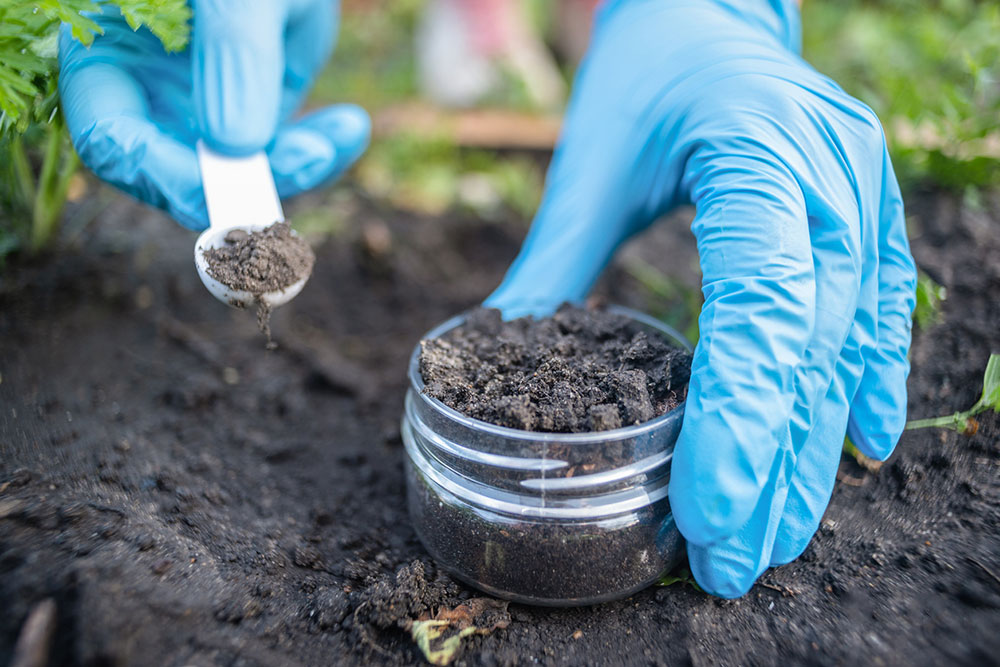
The method of collection varies depending on whether the sample is soil, water, air. For instance, water samples might be collected using bottles or pumps, while soil samples might be gathered using augers or shovels.
Sampling Strategy
Scientists develop a sampling strategy based on the study’s goals. This includes deciding on the number of samples, the locations for sampling, and the timing of collection.
Quantity of Sample
The amount of sample collected depends on several factors:
- Analytical Requirements: The quantity needed for laboratory analysis often dictates the minimum amount. Laboratories provide guidelines on the required volume or weight for different tests.
- Representativeness: The sample must be large enough to accurately represent the area or condition being studied.
- Regulatory Standards: Certain environmental studies have regulatory standards that specify the amount of sample to be collected.
- Study Design: Research objectives and the study design also influence the volume or weight of the samples. For detailed studies, larger or more numerous samples might be necessary.
Consistency
To ensure consistency, scientists often use standard protocols and tools for collection. This standardization helps in comparing results over time and across different locations.
Quality Control
Quality control measures, like collecting duplicate samples and field blanks, are used to validate the sampling process and ensure the integrity of the samples.
Environmental Sampling Tools
Environmental analysis and sampling require a range of specialized tools to accurately assess various environmental factors and collect representative samples. These are some instruments and devices commonly used in this field:
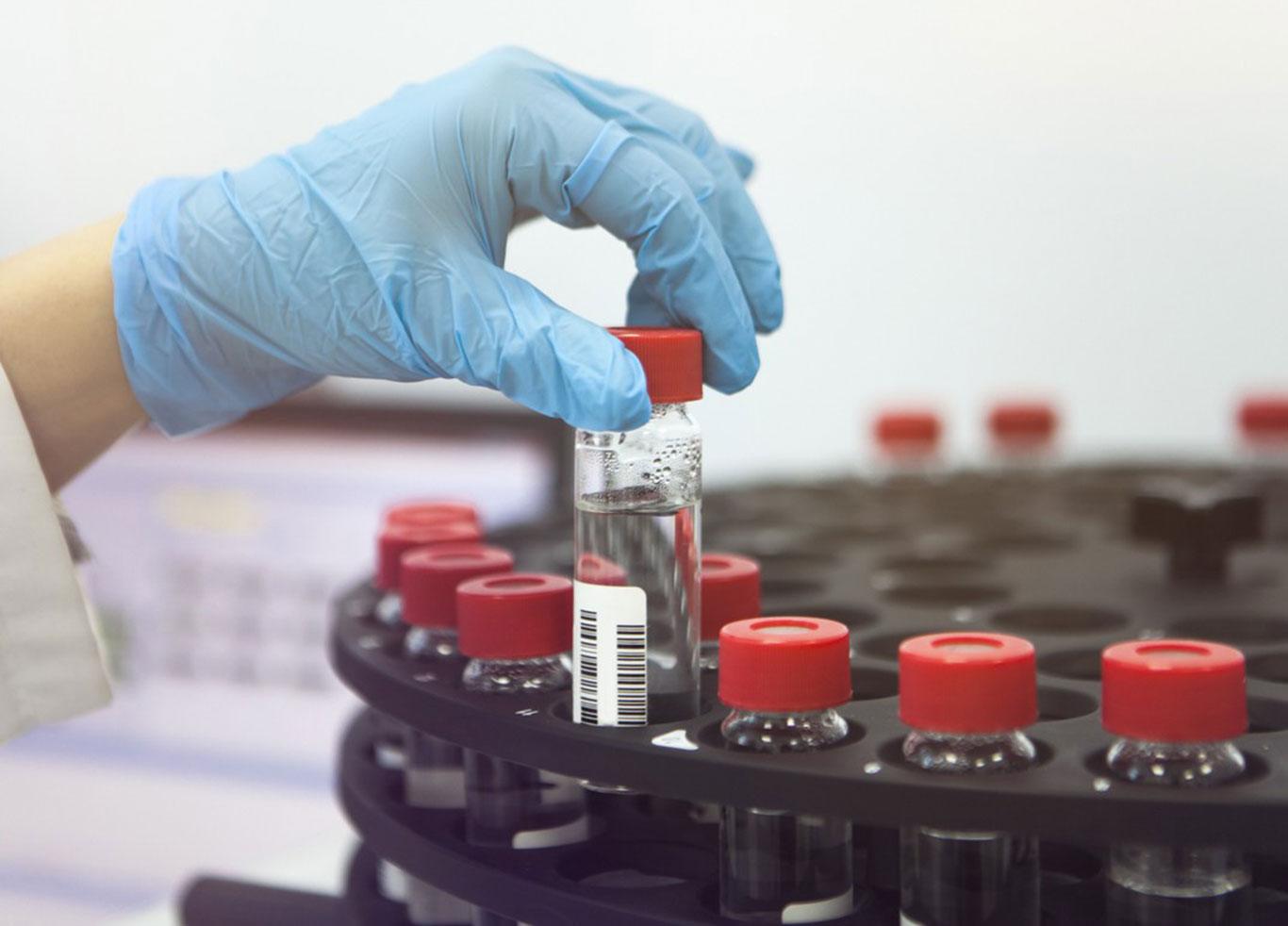
- Sampling Bottles and Jars: Often made of glass or plastic, used for collecting water and soil samples.
- Augers and Soil Corers: Tools for extracting soil samples, allowing for the collection at various depths.
- Pumps and Bailers: Utilized in water sampling, especially for groundwater, to extract samples from specific depths.
- Air Samplers: Devices like pumps and filters that collect air samples for analysis of pollutants and particulates.
- pH Meters and Conductivity Meters: Portable instruments to measure the pH and electrical conductivity of water samples on-site.
- Gas Chromatographs and Mass Spectrometers: Laboratory equipment for detailed analysis of chemical components in samples.
- Data Loggers: Used to record environmental parameters like temperature, humidity, and pressure over time.
Environmental Sample Testing Caps
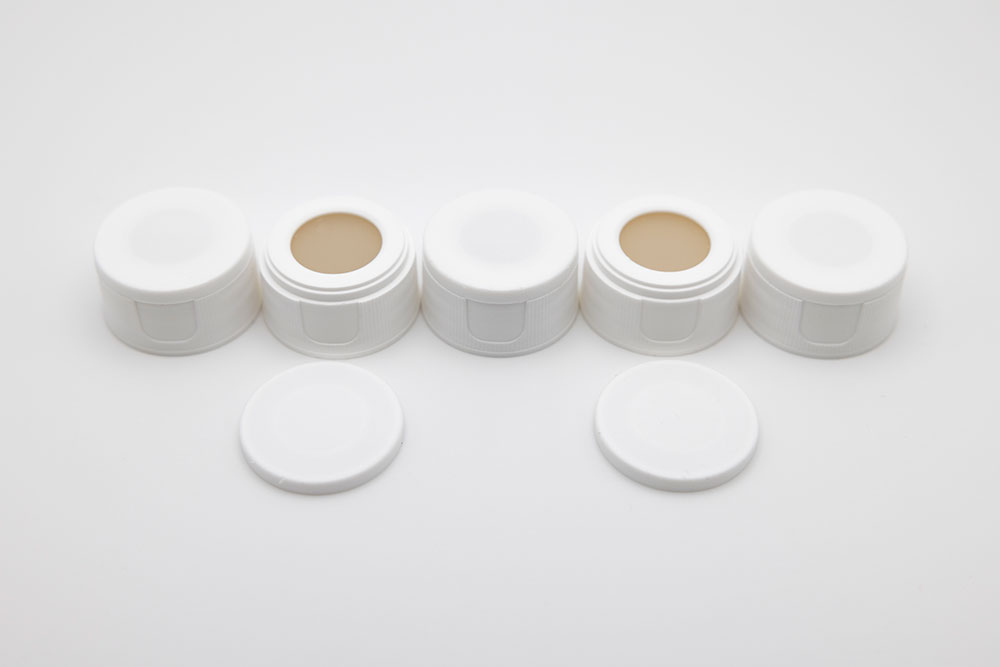
In environmental analysis and sampling, a variety of caps are used to secure and protect samples. These caps are selected based on their compatibility with the sample type and the requirements of the analysis. Silicone/PTFE-lined caps are often used for water samples to prevent contamination and chemical reactions. For air and gas samples, sample bags, which can be pierced by syringes for extraction without compromising the sample, are commonly employed. In soil and sediment sampling, screw caps provide an airtight seal, preserving the integrity of the sample. The choice of cap is also influenced by factors like the need for chemical inertness, resistance to temperature changes, and the prevention of leakage. This careful selection is vital to protect the samples from contamination, degradation, and to preserve their representative nature for accurate analysis.
All ILT caps are tested in our onsite laboratory to support quality control and are produced using high-quality materials in accordance with GMP and ISO 15378 standards. Explore the full product catalog for detailed specifications or contact our sales team to identify the right configuration for your environmental testing requirements.