Article by: Chrystal McDuffie
Lab and Technical Marketing Manager, ILT USA


Article by: Chrystal McDuffie
Lab and Technical Marketing Manager, ILT USA
Several factors influence container closure integrity during sample preparation, storage, and analysis, including seal performance, material compatibility, and the analytical cleanliness of the closure components.
An inadequate seal can allow volatile compounds to evaporate, potentially changing sample concentration before analysis. Closure materials can also interact with the sample through adsorption or absorption, while septa bleed, extractables, and leachables can introduce unwanted compounds that interfere with analytical results. In applications such as GC-MS, these sources of background contamination can be particularly significant when measuring compounds at low concentrations.
For samples handled through autosampling systems, septum durability is another consideration. Repeated needle punctures can cause coring and introduce particles into the sample. Selecting vials, caps, and septa based on the sample chemistry, storage conditions, and analytical requirements helps maintain sample integrity throughout the workflow.
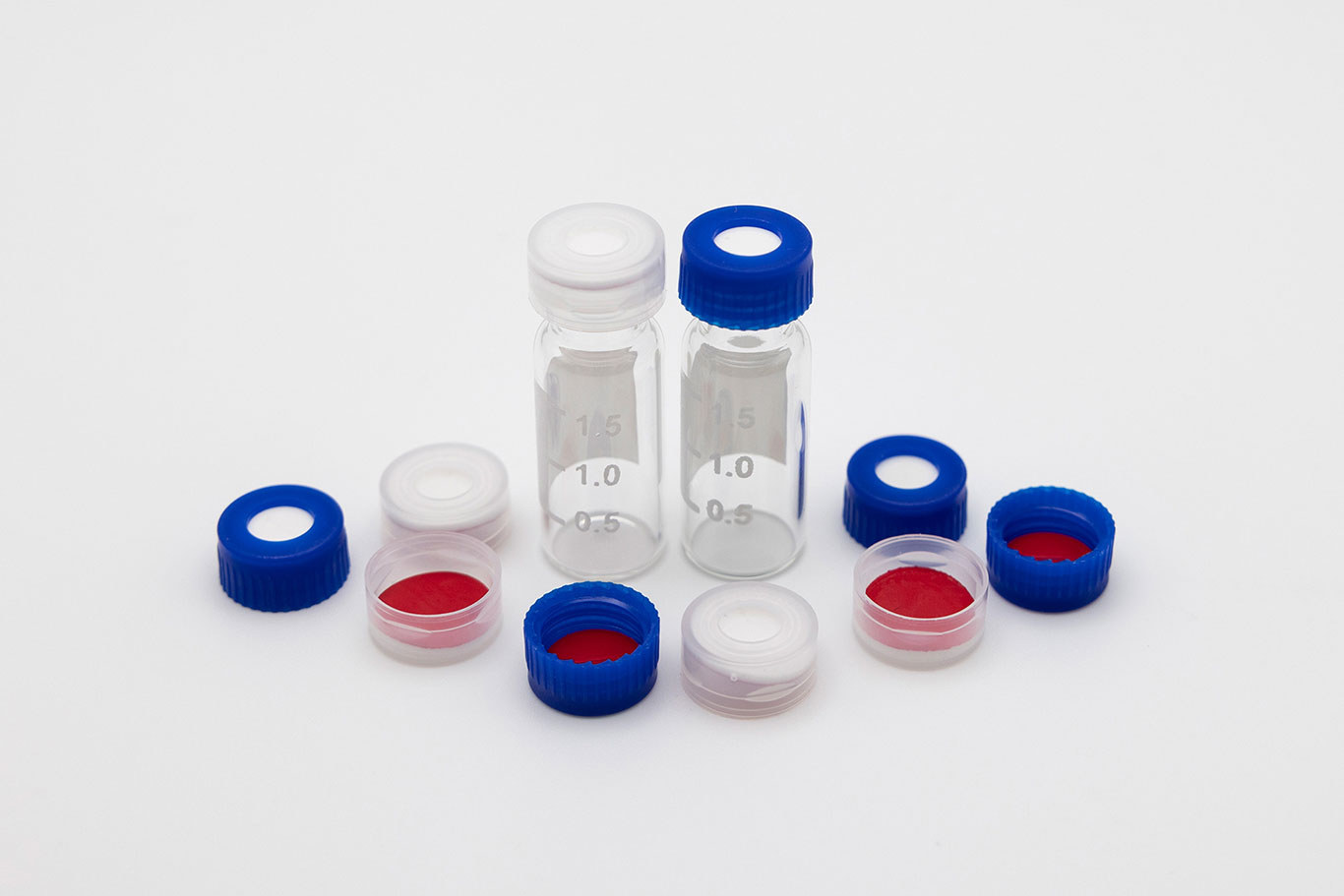
The vial, cap, and septum work together to seal the sample and protect it from the external environment. A typical septum consists of a pliable silicone layer with a PTFE lining on the side facing the sample. This combination provides a barrier between the sample and potential outside contamination. The type of cap used—such as a screw, crimp, or snap cap—also influences how effectively the system seals the vial and can affect the rate of sample loss through evaporation. Together, these components form a closure system designed to protect the sample while minimizing exposure to the outside environment and sample loss.
The choice of vial closure can directly affect the reliability of analytical results. Selecting a closure made from an incompatible material can create chemical compatibility issues with the sample. The wrong cap can also contribute to sample loss through evaporation, while a closure system that is not analytically clean enough can introduce contamination into the sample. Choosing closure components that are appropriate for the application helps protect sample integrity throughout the testing workflow.
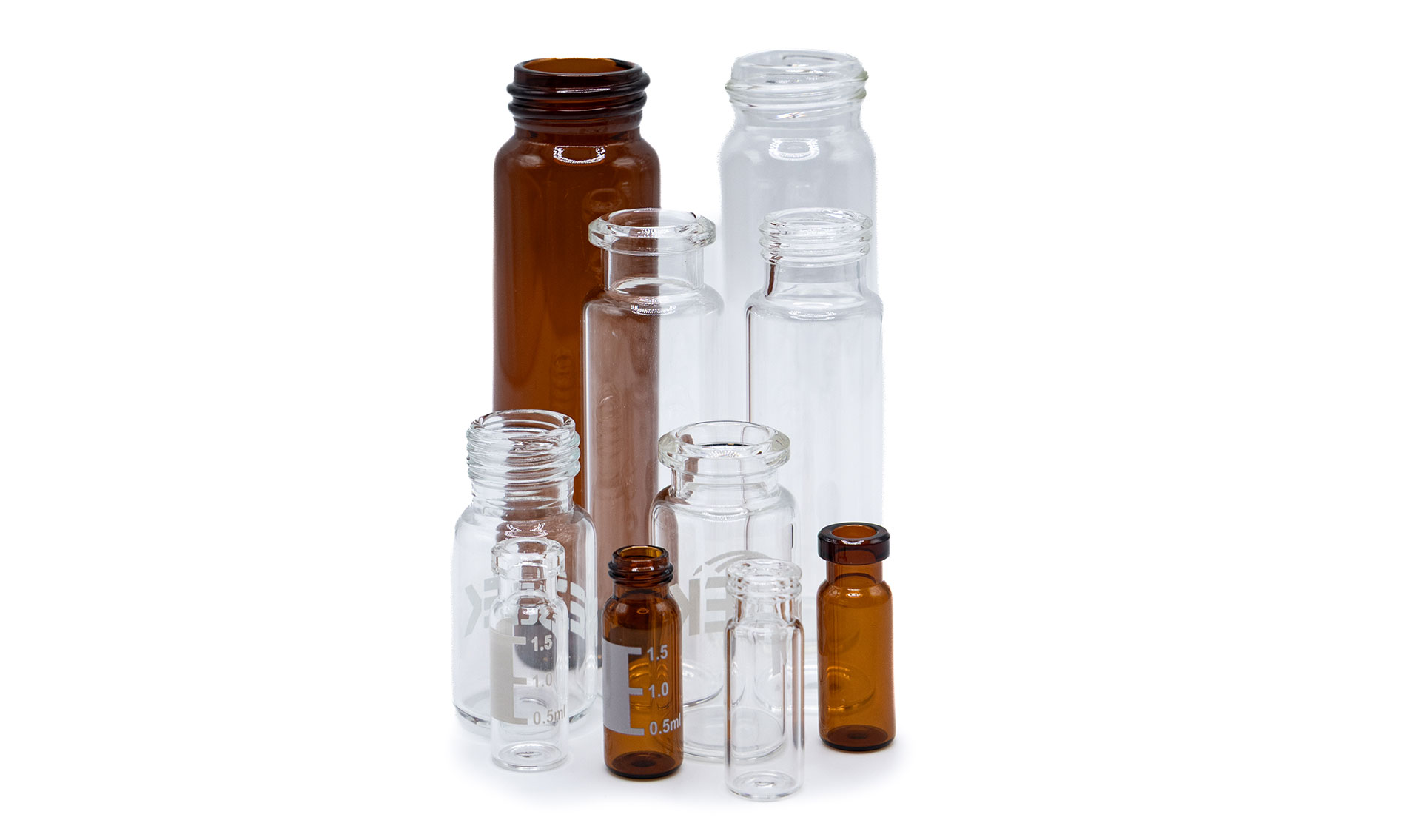
Consistent performance across vial closure components and production lots starts with material quality and standardized manufacturing processes. Using quality borosilicate glass, such as Type 33-expansion or 51-expansion glass, rather than soda-lime glass helps ensure the vials are made from materials suited to laboratory applications. Low-bleed silicone can help minimize sample contamination originating from the closure system. Quality management systems, such as ISO-based systems, also help standardize manufacturing processes and support consistency across production lots.
Innovations in vial closures are helping laboratories address challenges such as sample loss, outside contamination, and extractables. ILT offers several products designed to address these concerns.
ILT’s Press-Fit Secure™ cap addresses sample loss due to evaporation over time. Our SURE-Clean™ snap-top dust cover EPA cap helps protect samples from outside contamination. For applications where extractables are a concern, ILT’s UM4™ Ultra-Low-Bleed line of caps is designed to provide ultra-low extractables.
These options address different aspects of sample protection, allowing laboratories to consider their specific needs when selecting caps and vial closure systems.
When evaluating vial closure suppliers, procurement and sourcing teams should consider both product quality and the supplier’s ability to deliver consistent components reliably. Material compatibility, sealing performance, and analytical cleanliness are important factors, as the wrong closure materials can contribute to sample loss, contamination, or variability in test results.
Requirements will vary by application, depending on factors such as sample chemistry, volatility, storage conditions, and analytical sensitivity. Teams should therefore look for suppliers that can provide products suited to their specific laboratory workflows, with appropriate information on material specifications and closure performance.
Manufacturing consistency and supply reliability are also important considerations. Suppliers with standardized quality processes and clear lot traceability can help laboratories maintain consistency across orders and production lots while making purchasing and inventory management easier.
Sample integrity starts before analysis. Vial closures represent a small but significant part of the laboratory workflow, interacting directly with the sample environment before analysis even begins. For accurate and reliable results, the complete closure system—including the vial, cap, and septum—deserves careful consideration rather than having each component evaluated independently.
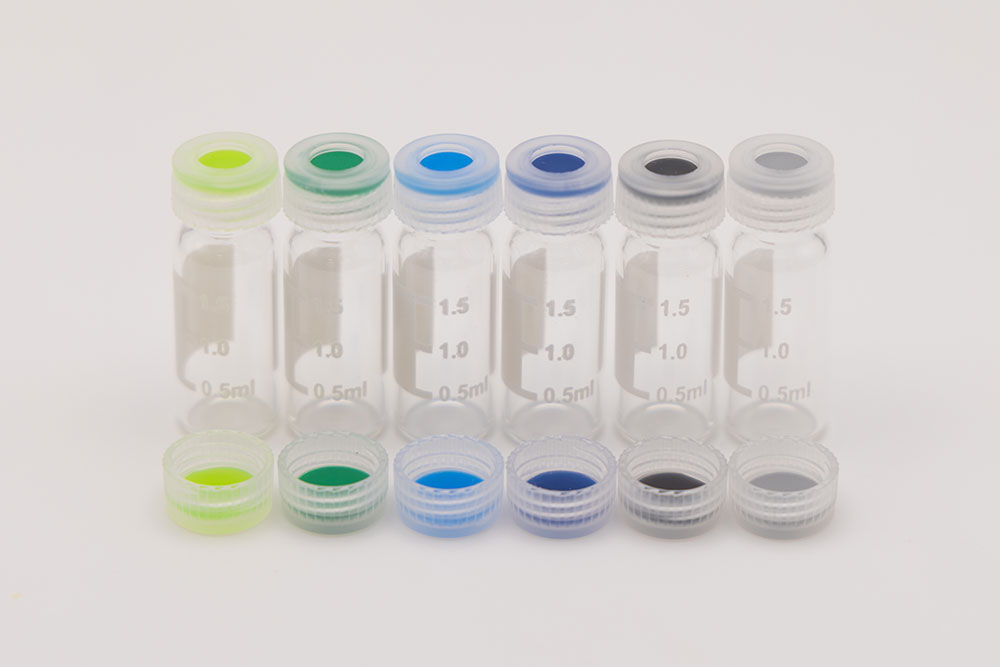
Matched vial kits offer both practical and operational advantages by providing the vial and cap together as a complete closure system. Having both components from a single source streamlines procurement and provides the convenience of one package for the complete system. Because the vial and cap are intended to work together, customers can also select them as a matched closure system rather than sourcing each component separately. Lot traceability applies to the entire kit, rather than requiring customers to track the cap and vial independently. This simplifies purchasing, inventory management, and documentation while providing greater visibility into the components being used together.