Article by: Chrystal McDuffie
Lab and Technical Marketing Manager, ILT USA



Article by: Chrystal McDuffie
Lab and Technical Marketing Manager, ILT USA
Cap liners play an important role in protecting sample integrity, supporting reliable analysis, and meeting the evolving needs of laboratory workflows. As applications become more complex and analytical methods become increasingly sensitive, advances in liner materials, designs, and manufacturing processes are helping laboratories overcome new challenges. We asked ILT to share their perspective on the latest innovations in cap liner manufacturing, how customer needs are shaping new solutions, and the trends expected to influence the future of laboratory sealing technologies.
ILT continues to lead innovation in cap liner manufacturing by developing solutions that address evolving customer needs and application challenges. From our SPME liners to our new 9mm steel screw cap, we are continually advancing liner and closure technologies to improve performance and reliability.
One of our newest innovations, Press-Fit Secure™, was developed to address common challenges associated with liner fall out, displacement, and sample loss. This solution helps provide a more secure liner fit for applications where maintaining sample integrity is critical.
ILT has also developed PFAS-Free products to support the growing demand for PFAS testing. As government regulations and EPA testing methods continue to drive the need for PFAS analysis, having reliable liner solutions designed for these applications is becoming increasingly important.
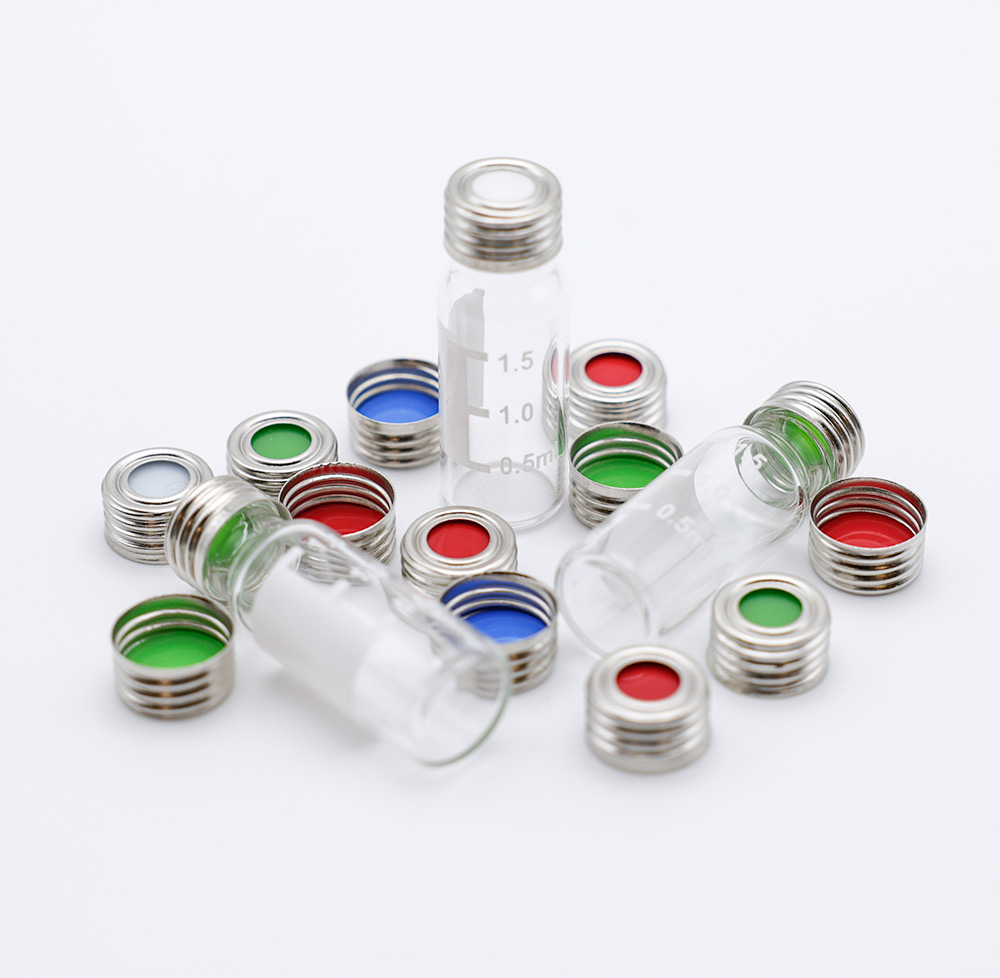
Advancements in liner designs are helping address specific challenges across demanding applications by improving sample protection, handling, and reliability. ILT develops solutions that are designed around the needs of different workflows, from sample collection to transportation and analysis.
The Press-Fit Secure™ liner design helps reduce issues related to liner displacement and sample loss by providing a more secure fit. ILT’s 9mm steel screw cap also supports improved handling by allowing for magnetic transportation, adding flexibility for applications that require efficient sample movement.
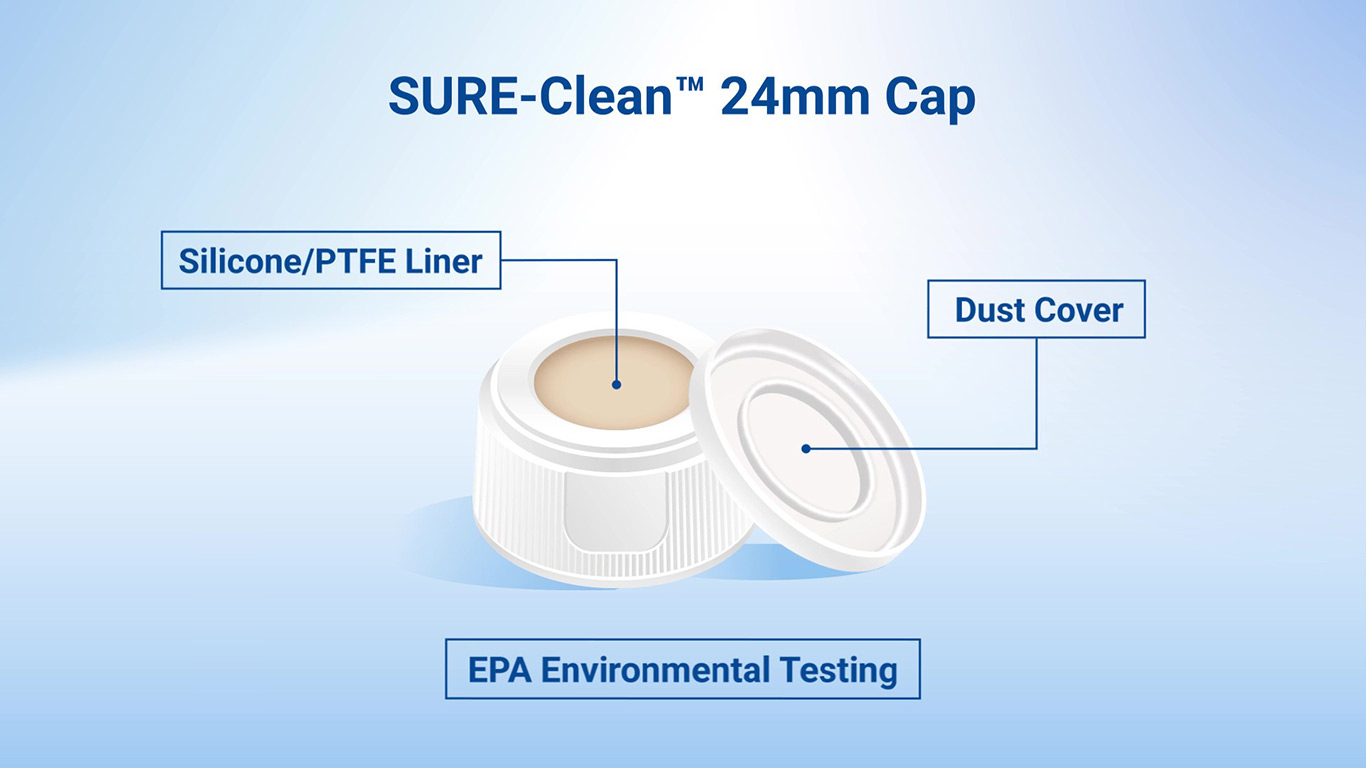
ILT’s SURE-Clean™ technology helps maintain sample integrity from the field to the laboratory, supporting reliable results throughout the testing process. These innovations demonstrate how thoughtful liner and closure design can help improve performance across the entire sample workflow.
Selecting the right cap liner solution depends on several performance factors, including the application requirements and the properties of the liner material. Key considerations include:
Understanding these factors helps ensure the liner performs effectively within the specific conditions of an application. ILT provides resources to help customers evaluate material characteristics and select the appropriate solution for their needs.
Explore ILT’s Septa Temperature and Durometer Guide for help selecting the right material.
ILT continually evaluates and improves its manufacturing processes to enhance the consistency and reliability of its cap liner products. This includes investing in production automation, optimizing bonding processes, and reviewing manufacturing workflows to identify opportunities for improvement.
We work to maintain consistent product performance and meet the requirements of customers across a range of applications. These ongoing improvements reflect ILT’s commitment to precision manufacturing and reliable liner solutions.
Testing and validation are essential parts of ensuring cap liners consistently meet the standards required for demanding applications. ILT maintains a robust quality control management system and is ISO 15378:2017 certified, supporting the company’s commitment to producing reliable, high-quality liner solutions.
Learn more about ILT’s quality standards and processes on our Quality page.
Customer feedback plays an important role in driving ILT’s product improvements and innovations. Because we understand the challenges customers encounter in their workflows, ILT develops specialized solutions designed to address specific application needs.
Customer challenges with SPME needle breaking and bending led to the development of ILT’s molded SPME liner, which is specifically designed to help reduce or eliminate SPME needle damage. ILT also developed its 9mm steel screw cap to provide a solution for applications that require magnetic handling, offering an alternative to traditional polypropylene caps that cannot be picked up by magnets.
Through continued collaboration with customers, ILT uses real-world application challenges to guide the development of more effective cap liner and closure solutions.
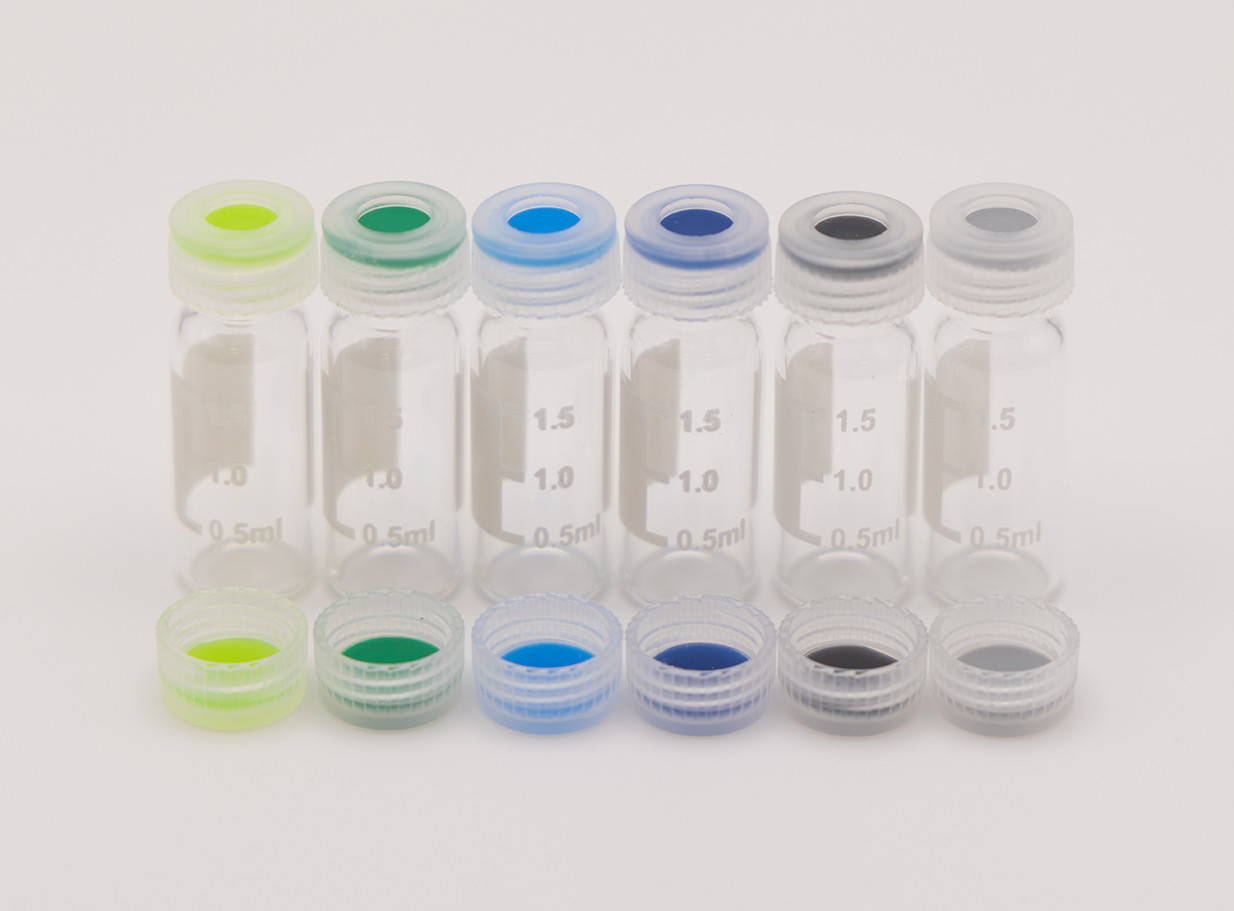
Several trends are expected to influence the future of cap liner manufacturing.
The continued focus on PFAS regulations is increasing the need for PFAS testing and PFAS-Free products. As these requirements expand, there is also growing interest in identifying alternative materials that can provide similar performance characteristics to PTFE while addressing regulatory concerns.
As analytical methods become more sensitive, the demand for even lower-bleed septa is expected to increase. Developing liner solutions that support increasingly precise analysis will remain an important focus for the industry.
Cost considerations will also continue to shape the market. As expenses increase across areas such as shipping and raw materials, manufacturers will need to balance product performance with the need for cost-effective solutions.