Selecting the right materials for beverage testing directly affects sample integrity, regulatory compliance, and the reliability of analytical results. This beverage quality testing materials compatibility chart is designed to help laboratories evaluate ILT beverage industry products based on material composition, temperature resistance, chemical compatibility, and performance under real-world conditions. Whether testing carbonated drinks, alcoholic beverages, juices, or functional formulations, understanding how closures, liners, and containers interact with varying pH levels, solvents, sugars, and carbonation pressures is essential to maintaining accurate, repeatable results.

Beverage Quality Testing Materials Compatibility Chart for Laboratory Applications
April 17, 2026
| Material | pH Compatibility | Solvent Resistance | Sugar Solutions | Carbonation Pressure | Chemical Inertness | Temperature Resistance | Oxygen/Gas Barrier | Typical Beverage Lab Use |
|---|---|---|---|---|---|---|---|---|
| Polypropylene (PP) | High (pH ~2–12) | Moderate | High | Moderate | Moderate | Moderate (~120°C) | Moderate | Sample containers, closures, centrifuge tubes |
| Polyethylene (PE) | High (pH ~3–11) | Low to Moderate | High | Low | Moderate | Low (~80–100°C) | Low | General storage containers, low-pressure samples |
| PTFE (Polytetrafluoroethylene) | High (pH 0–14) | High | High | High | Very High | Very High (~260°C) | High | Cap liners, Chemically inert closures |
| Silicone Rubber | Moderate | Moderate | High | Moderate | Moderate | High (~200°C) | Moderate | Septa for autosamplers |
| Butyl Rubber | Moderate | Moderate | High | High | Moderate | Moderate (~120°C) | High | Gas-tight closures, carbonation-sensitive samples |
| Natural Rubber | Low to Moderate | Low | Moderate | Moderate | Low | Moderate (~100°C) | Moderate | Low pressure samples, GC analytical testing |
Legend:
High = Excellent compatibility
Moderate = Acceptable with some limitations
Low = Not recommended for consistent analytical testing
Material compatibility is a safeguard against contamination, degradation, and compromised data. By clearly outlining temperature thresholds, chemical resistance profiles, and structural performance across beverage types, this chart supports informed purchasing decisions and long-term laboratory efficiency. That level of clarity, consistency, and application-driven engineering is why ILT is one of the top companies supplying consumables to the beverage testing labs in the U.S.
Explore ILT’s Beverage Testing Products
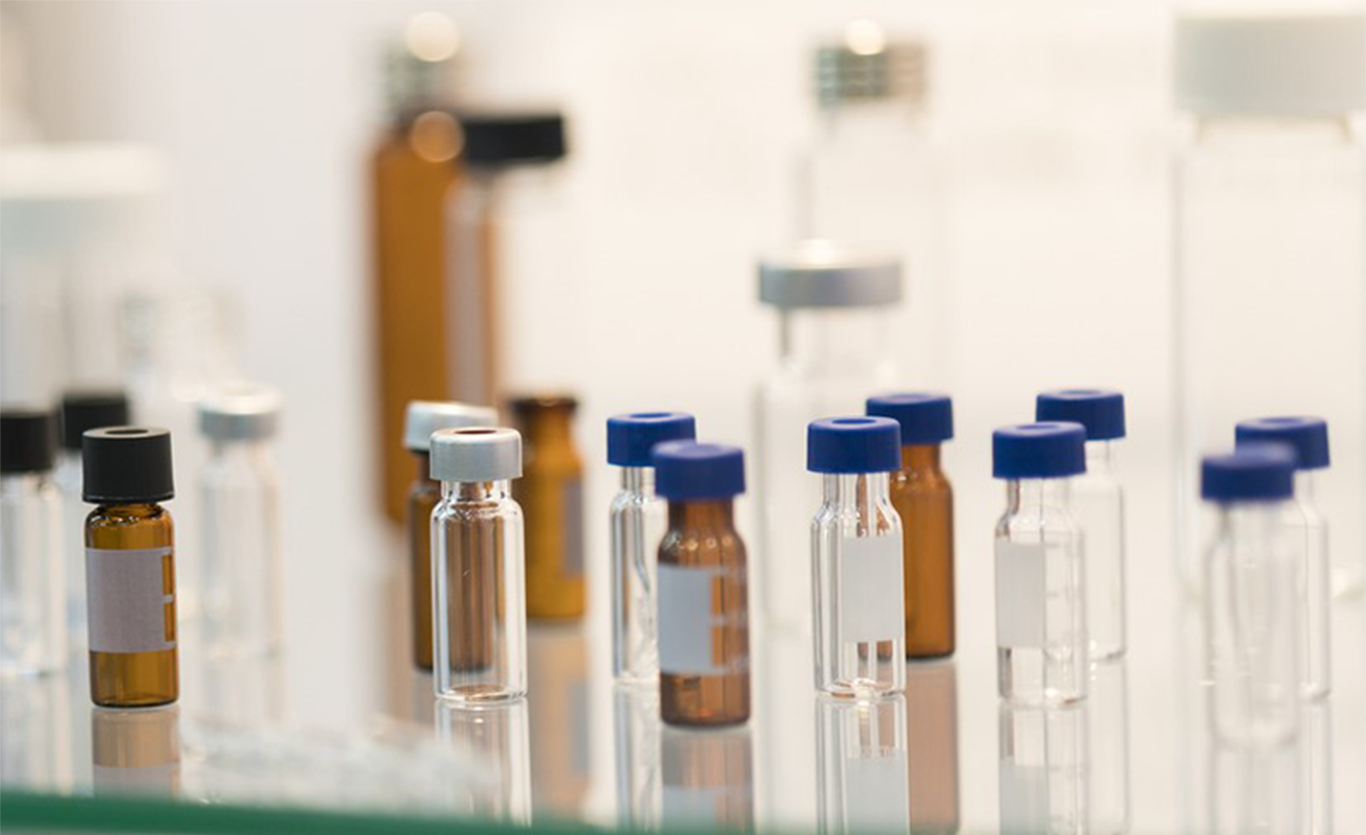
ILT supports GC and LC applications with 9mm bonded screw caps, 11mm crimp caps, and 11mm snap caps — available in multiple liner configurations, including PTFE/silicone. All products are made from high-quality materials and tested onsite for quality control, ensuring reliable performance in your laboratory workflows.