Office: 518-432-0617
Sales Hours no sales hours
Address 45 Discovery Drive, Rensselaer, NY 12144
Fax: 518-432-9146
Sales Hours no sales hours
Address 45 Discovery Drive, Rensselaer, NY 12144
HomeBlogsTensile Strength of Rubber: Comparing Common Materials
Flexible rubber strip under tension

Rubber is a versatile material used in a wide range of applications due to its unique properties, one of which is its tensile strength.

Tensile strength measures the maximum stress a material can withstand while being stretched or pulled before breaking. For rubber materials, this property helps determine how well a product performs under repeated stress and deformation.

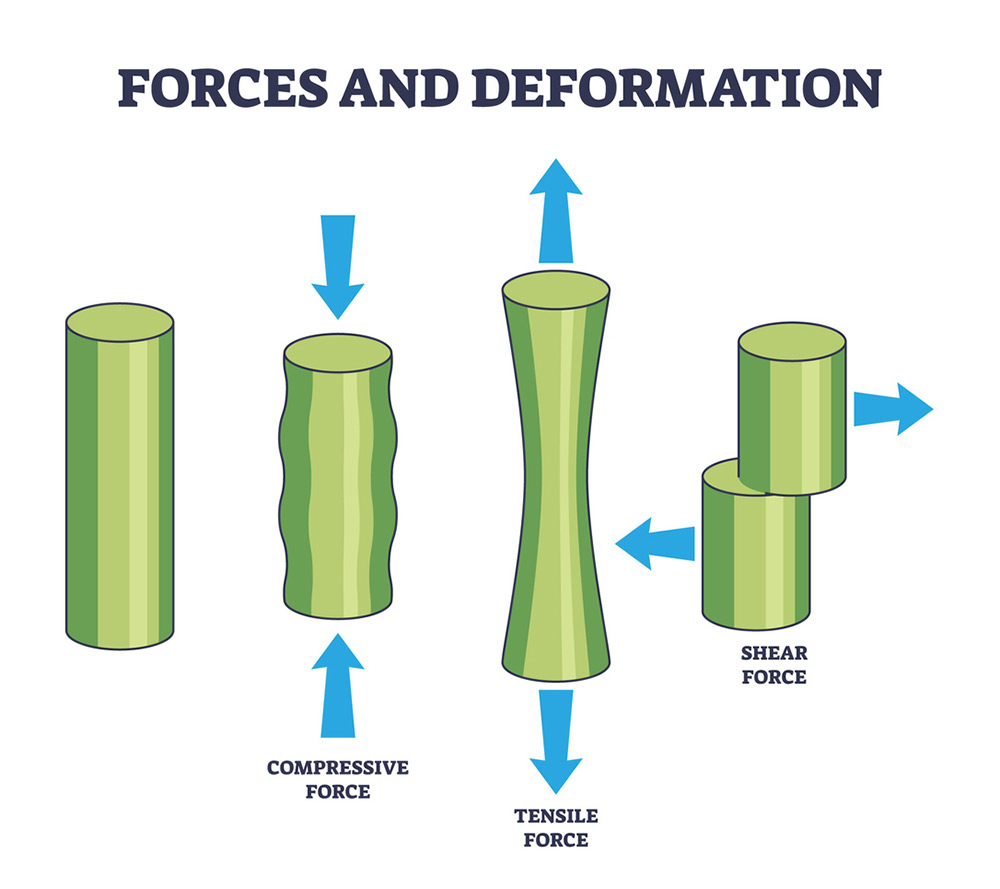
Diagram of tensile, compressive, and shear forces

Several factors influence tensile strength in rubber:

  • Material composition
  • Additives and fillers
  • Manufacturing processes
  • Temperature and environmental conditions

Understanding tensile strength helps engineers, manufacturers, and product designers select the right rubber material for specific applications and durability requirements.

READ: What are the thermal properties of rubber?

How To Measure Tensile Strength of Rubber

Tensile strength is measured by applying force to a rubber sample until it breaks. Results are typically expressed in pounds per square inch (psi) or megapascals (MPa).

Measuring the tensile strength of rubber is typically done with a tensile testing machine. Tensile strength is calculated by dividing the maximum force by the sample’s cross-sectional area.

Several variables can influence results:

  • Sample dimensions
  • Testing speed
  • Temperature
  • Material formulation

Because of these variables, manufacturers typically publish their own test data and specifications.  ILT evaluates material performance during product development to make sure our seals and septa meet the requirements of their intended applications.

Rubber Tensile Strength Chart

The chart below compares tensile-related performance characteristics of common rubber materials.

Material Tensile Strength Elongation at Break Puncture Resistance Compression Set
Silicone Rubber Good Excellent Fair Good
Natural Rubber Excellent Excellent Excellent Fair
Butyl Rubber Good Good Good Excellent

Always consult manufacturer specifications when selecting a material, as values can vary based on formulation, testing methods, and production standards. ILT works with a range of rubber and silicone materials, selecting formulations based on the performance requirements of each application.

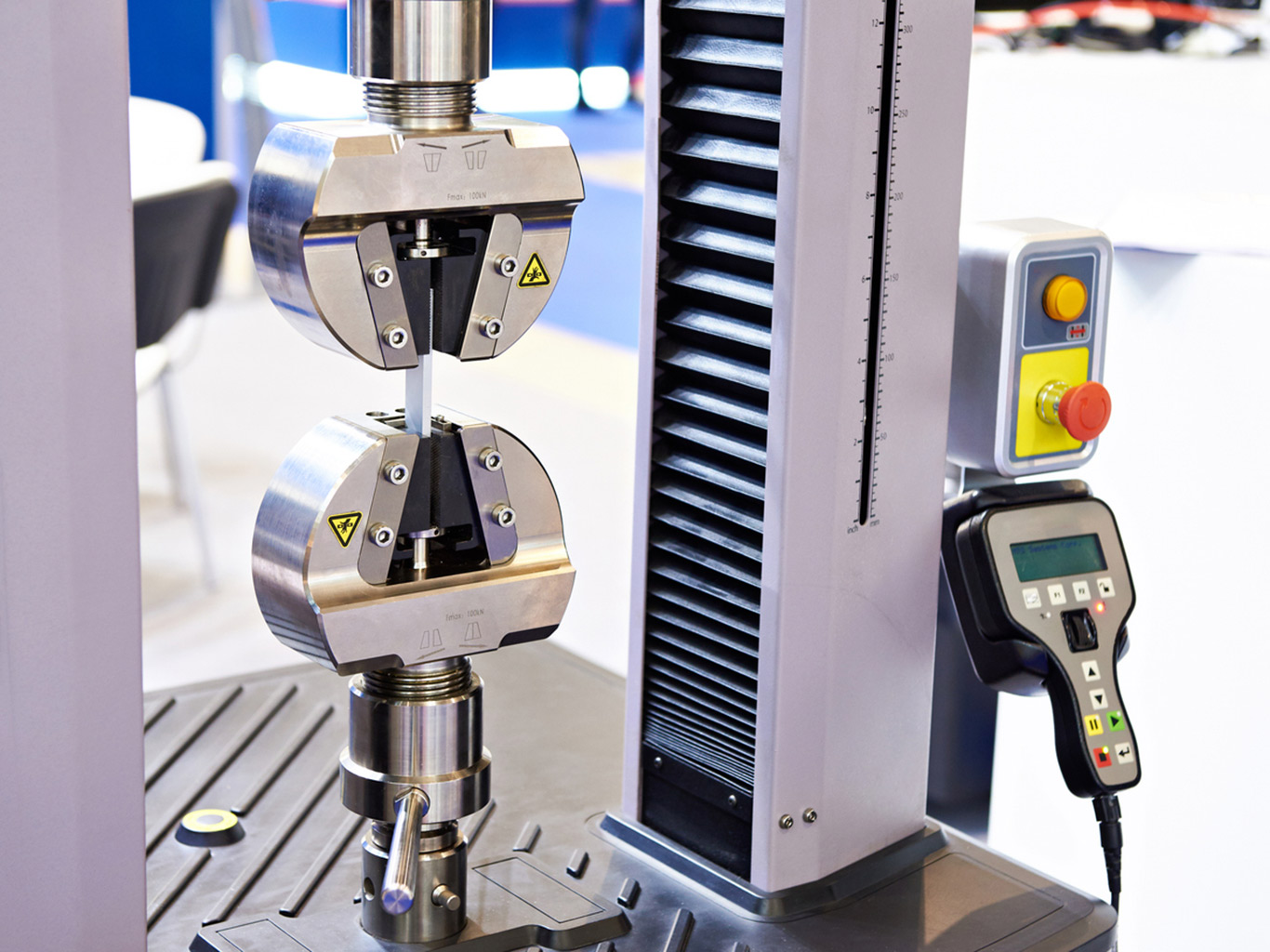
Rubber tensile strength testing machine

Silicone Rubber Tensile Strength

Silicone rubber offers a strong balance of flexibility, durability, and tensile performance. Depending on formulation, properties can be adjusted to meet specific application requirements.

Common applications include:

  • Laboratory and pharmaceutical applications
  • Medical devices and equipment
  • Aerospace and automotive

Silicone rubber is used in environments where materials must maintain performance under repeated stretching and demanding operating conditions. ILT manufactures silicone seals and septa for laboratory, pharmaceutical, and industrial applications where consistent material performance is critical.

Natural Rubber Tensile Strength

Natural rubber delivers high tensile strength and excellent elasticity, making it one of the most resilient elastomers in dynamic applications.

Its molecular structure allows it to withstand significant mechanical stress before breaking, while still returning to its original shape after deformation.

Common applications include:

  • Tires and automotive components
  • Industrial belts and vibration dampers
  • Flexible seals and gaskets
  • Heavy-duty mechanical goods

Natural rubber is often selected for applications requiring both high strength and high elongation under repeated load cycling.


A medical professional in white gloves and a lab coat holding clear medical tubing

Butyl Rubber Tensile Strength

Butyl rubber is valued for its combination of tensile strength and resistance to gases, moisture, and chemicals.

Because of these properties, it is frequently used in:

  • Tire inner tubes
  • Seals and gaskets
  • Roofing membranes
  • Construction sealants
  • Industrial hoses
  • Conveyor belts

Its durability and flexibility make it suitable for applications exposed to challenging environmental conditions.

Explore more resources about rubber and silicone on our blog, or learn how ILT manufactures high-performance rubber lab caps, seals, and septa for laboratory and industrial applications. As a trusted supplier of precision-engineered components, ILT helps customers select the right materials for their specific performance requirements.

Learn more about ILT, the world leader in manufacturing seals and septa.