Office: 518-432-0617
Sales Hours no sales hours
Address 45 Discovery Drive, Rensselaer, NY 12144
Fax: 518-432-9146
Sales Hours no sales hours
Address 45 Discovery Drive, Rensselaer, NY 12144
HomeBlogsFrequently Asked Questions About EPA Caps & Septa Regulations
iStock-2247588552

What are EPA regulations for caps and septa?

The U.S. Environmental Protection Agency does not regulate specific caps or septa as standalone products. Instead, it defines performance requirements through analytical methods used for environmental testing of water, soil, and air.

For example, methods like EPA 8260 for volatile organic compound (VOC) analysis require that vial closures maintain sample integrity by preventing contamination, adsorption, or loss of analytes. Caps and septa used in these applications must therefore be low-bleed, chemically inert, and capable of maintaining a proper seal under test conditions.

Are PTFE/silicone septa compliant with EPA methods?

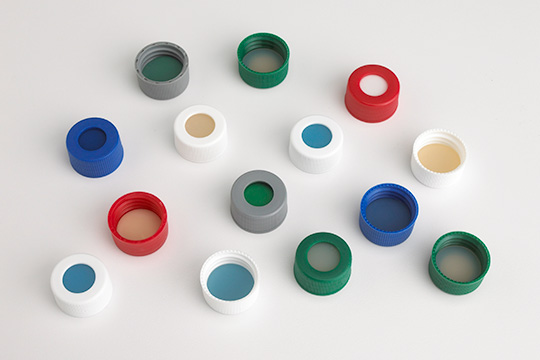
PTFE/silicone septa are commonly used in EPA analytical methods due to their chemical resistance and resealability. However, no material is inherently “EPA compliant.”

Suitability depends on whether the septa perform within the requirements of the specific method being used. This typically involves demonstrating low bleed, minimal background interference, and effective sealing under method conditions.

Which industries require regulation-compliant vial closures?

Industries that rely on controlled testing environments or regulated products require vial closures that meet defined performance and quality expectations. These include pharmaceutical manufacturing, environmental testing laboratories, food and beverage testing, clinical and diagnostic laboratories, and chemical analysis.

While regulatory frameworks differ across these sectors, each requires closure systems that maintain sample or product integrity and support consistent, reliable results under validated conditions.

What are the regulatory requirements for septa in analytical labs?

In analytical laboratories, requirements for septa are defined by the methods being used and the laboratory’s quality systems.

In practice, septa must maintain a secure seal, resist chemical interaction with samples, and minimize interference that could affect analytical results. Laboratories confirm suitability through internal validation, quality control procedures, and supplier documentation.

How do I know if my vial caps and septa meet EPA requirements?

Suitability is typically determined through a combination of documentation and performance rather than a single certification.

For EPA methods, suitability is demonstrated by meeting method-specific performance requirements, such as maintaining seal integrity and avoiding analytical interference. This is often supported by supplier data, certificates of analysis, or in-house validation.

When documentation is limited, additional testing under actual use conditions may be necessary to confirm performance.

Laboratories operating under EPA requirements need closure components they can trust to perform consistently under validated conditions. Integrated Liner Technologies supports these workflows with high-quality, tested solutions designed for demanding analytical and packaging environments. 

For more info contact ILT sales at sales@iltusa.com.

Learn more about ILT, the world leader in manufacturing seals and septa.